In this article21 sections
How to open a pho restaurant is a question many Vietnamese-American families ask, and with good reason. Pho is loved far beyond the Vietnamese community, a focused menu keeps operations manageable and a pot of excellent broth can build a loyal following for decades. But a pho restaurant is also demanding: broth simmers for many hours, stock pots need serious burners and ventilation, food safety around cooling broth is strict, and margins depend on careful pricing of every bowl.
This guide walks through fourteen steps to open a pho restaurant: defining your concept and menu, researching the market, writing a business plan, choosing a location, designing a kitchen for broth, equipping it, getting permits, handling broth safely, sourcing ingredients, hiring and training, pricing bowls, setting up POS and online ordering, marketing before and after opening and planning opening day. It is general guidance; your city and county health department and building officials have the final word on requirements where you open.
1. Define your concept and menu
Start with what kind of pho restaurant you want to be:
- Neighborhood pho shop: fast, affordable, family friendly, a short menu.
- Northern-style pho restaurant: clearer broth, fewer garnishes, a heritage story.
- Modern pho restaurant: design-forward space, creative toppings, cocktails or craft drinks.
- Pho and more: pho plus bún, cơm tấm, bánh mì and appetizers for a wider audience.
Keep the menu focused. A pho restaurant with five excellent bowls, a few appetizers and good drinks is easier to run, faster to serve and more consistent than one with sixty items. Our guide to restaurant menu design explains how to structure and present a focused menu.
Signature details that set a pho restaurant apart
Small, deliberate details become what people remember and recommend: a house-made chili oil, a vegetarian broth that is as carefully made as the beef one, a choice of noodle thickness, a weekend-only special such as oxtail pho, or fresh herbs that are always crisp. Choose two or three signature details and make sure every bowl delivers them. They give your pho restaurant a story to tell on the menu, on social media and in reviews, and they make price comparisons with the shop down the street less important.
2. Research your market
Before signing a lease, study the area:
- Competition: how many pho restaurants are nearby, their prices, ratings and what reviewers praise or complain about.
- Customers: offices, students, families, Vietnamese community, tourists.
- Traffic: lunch crowds, evening and weekend patterns, parking.
- Delivery demand: how many nearby restaurants rely on delivery apps.
Read reviews of nearby pho shops carefully: complaints about slow service, small portions or bland broth show you where to stand out. Visit each competitor at their busiest hour, order the most popular bowl and note the wait, the price, the portion and what guests order alongside it. A few visits teach you more about your local pho restaurant market than any report.
3. Write a business plan
A business plan helps you secure funding and forces you to check the numbers. Include:
- Concept, menu and target customers.
- Location analysis and competition.
- Start-up costs: build-out, equipment, deposits, permits, initial inventory, marketing, working capital.
- Operating costs: rent, payroll, food, utilities, insurance, card fees, software.
- Sales projections by day and month, conservative at first.
- Break-even point and cash needs for the first months.
The SBA offers a step-by-step guide and templates to write your business plan. Lenders and landlords will ask for one, especially for a first restaurant.
4. Choose a location that fits pho
- Visibility and access: a storefront seen from the street, easy parking, nearby offices or homes.
- Size: enough seating for your expected lunch rush, plus a kitchen large enough for stock pots and prep.
- Existing restaurant space: a former restaurant with a hood, grease trap and gas line can save a large amount of build-out time and money, but inspect everything.
- Lease terms: length, renewal options, who pays for repairs, exclusivity clauses that prevent another pho restaurant in the same plaza.
Bring a contractor or restaurant consultant to see the space before you sign.
5. Design a kitchen built around broth
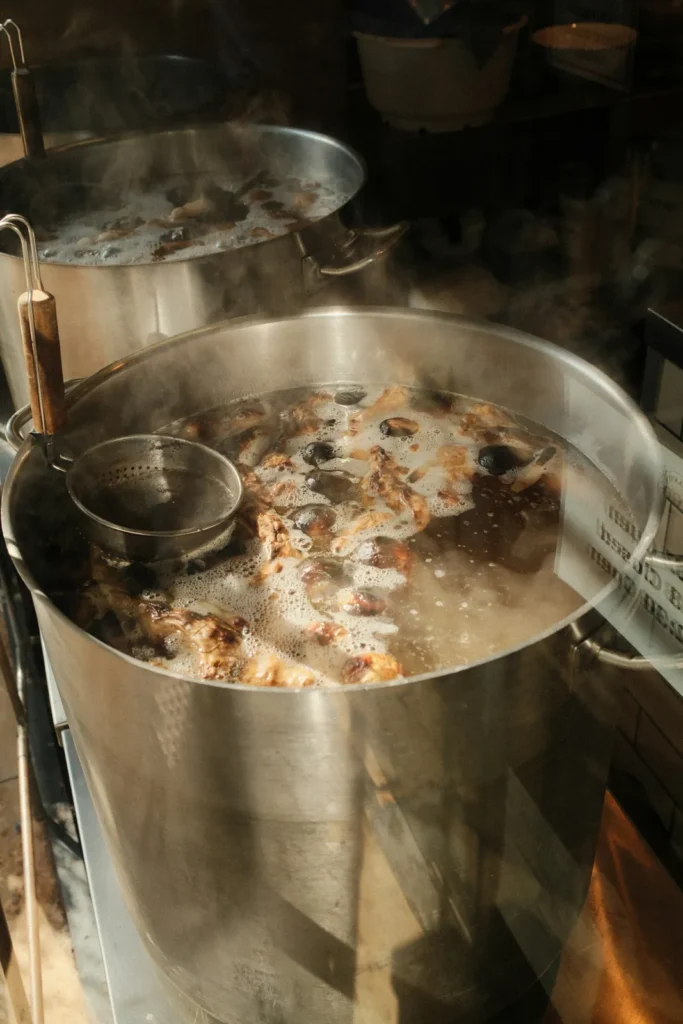
Broth is the heart of a pho restaurant and shapes the kitchen:
- High-output burners or stock pot ranges for large pots that simmer for many hours.
- Ventilation and hood sized for long cooking and steam.
- Floor drains and space to handle heavy pots safely.
- A noodle station with a noodle cooker or pots of boiling water for quick blanching.
- Cold storage for meat, bones, herbs and cooled broth.
- A clear line from the kitchen to the pass, so bowls go out hot and fast.
Plan the kitchen with someone who has built restaurant kitchens. Moving a hood or gas line after construction is expensive.
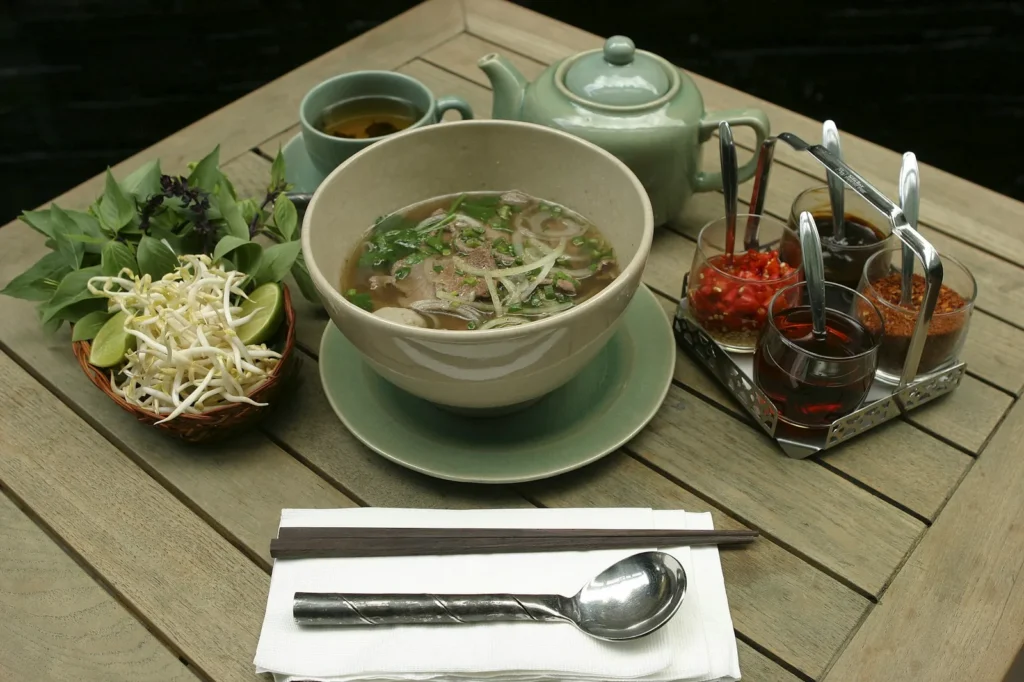
Choose your service style
How guests order shapes the space, staffing and costs:
- Table service: servers take orders and bring bowls; more labor, a traditional experience, often more add-on sales.
- Counter service: guests order and pay at the counter, food comes to the table or is picked up; fewer staff, faster turnover, works well for lunch crowds.
- Hybrid: counter ordering at lunch, table service in the evening.
- Takeout-heavy: a smaller dining room, a larger pickup area and packaging that keeps broth and noodles separate so they arrive in good shape.
Decide early, because service style affects the floor plan, the POS setup and the number of people you hire.
Build your broth schedule
A pho restaurant runs on a broth schedule. Plan when bones are blanched, roasted and simmered, how many batches you make each day, how broth is strained, cooled, stored and reheated, and what happens if you sell out early. Many shops make broth overnight or early in the morning and keep a reserve for the evening rush. Track how many bowls you sell by day of the week so batch sizes match demand and waste stays low. Write the schedule down so the restaurant does not depend on one person's memory.
6. Equip the restaurant
Typical equipment for a pho restaurant includes:
| Area | Equipment |
|---|---|
| Kitchen | Stock pots, stock pot ranges, noodle cooker, prep tables, slicer for rare beef, refrigeration, freezer, dish machine or three-compartment sink |
| Storage | Walk-in or reach-in coolers, dry storage shelving, food-safe containers |
| Front of house | Tables, chairs, condiment caddies, high chairs, host stand |
| Bar or drinks | Coffee setup for Vietnamese iced coffee, tea, fridge for drinks, blender for smoothies |
| Technology | POS, kitchen printer or display, online ordering, card terminals |
Used equipment can save money, but check condition, warranties and whether it meets health and safety requirements. Buy the pieces that run all day, such as stock pot ranges, refrigeration and the dish machine, in the best condition you can afford, and save on items that are easy to replace later, such as tables, shelving and small wares.
7. Get permits and licenses
Requirements vary by city and state, but a pho restaurant usually needs:
- Business registration and an employer identification number.
- Building permits for construction and changes to plumbing, gas and electrical.
- Health department permit after plan review and inspection.
- Food manager certification for at least one manager, and food handler training for staff where required.
- Fire department inspections for the hood and suppression system.
- Sign permits for your storefront sign.
- Sales tax registration and, if you serve alcohol, a liquor license.
Start the health department plan review early; it often decides your opening date.
8. Handle broth safely
Large batches of hot broth must be cooled quickly to stay safe, because bacteria grow fastest in the middle temperature range. The FDA's Food Code, which many states and counties adopt, sets cooling limits: cooked foods should go from 135°F to 70°F within two hours and to 41°F or below within a total of six hours. To meet them:
- Divide broth into shallow containers or smaller batches.
- Use ice wands or ice baths to speed cooling.
- Never put a large hot stock pot directly into the walk-in to cool overnight.
- Reheat to the proper temperature before serving and hold hot broth hot.
- Log temperatures so staff build the habit and inspectors see it.
Rare beef is another food safety point: source quality beef, keep it cold, slice it fresh and follow your health department's rules for consumer advisories on undercooked items.
9. Source ingredients consistently
- Bones and beef from reliable suppliers, with consistent cuts.
- Rice noodles fresh or dried, tested for texture in your broth.
- Herbs and garnishes: Thai basil, culantro, bean sprouts, limes, chilies, delivered fresh several times a week.
- Spices for the broth, toasted and measured the same way every time.
- Backup suppliers for when a delivery fails.
Consistency is what regulars expect: the same broth, the same noodles, the same herbs every visit. Keep a simple spec sheet for each ingredient with the supplier, the brand or cut, the delivery days and what to do if it is unavailable, so a substitute never changes the taste guests come back for.
10. Hire and train your team
A pho restaurant typically needs cooks who manage broth and the line, servers or counter staff, dishwashers and a manager. Train everyone on:
- Recipes and portions with written specs and photos of each bowl.
- Food safety: temperatures, cooling logs, allergens, handwashing.
- Service speed: pho is often a lunch meal, and guests expect it fast.
- Menu knowledge: explaining cuts of beef, spice levels and vegetarian options.

11. Price each bowl from real costs
Calculate the cost of a bowl: broth (bones, spices, gas and labor spread over the batch), noodles, meat, garnishes, packaging for takeout. Then add your share of labor and overhead. Many restaurants track food cost as a share of the menu price and set targets for each category. Review prices when beef and bone costs change; a pho restaurant that never adjusts prices sees margins shrink every year.
12. Set up POS and online ordering
- POS that handles modifiers (no onions, extra noodles, broth on the side), split checks, tips and reports by item.
- Online ordering on your own website for pickup, so you keep more of each order than with delivery apps.
- Delivery apps as an additional channel, with prices that account for commissions.
- Kitchen display or printer so takeout and dine-in orders flow smoothly.
Our guide to POS for small restaurants compares features, and Dreamer installs POS systems for restaurants.
Plan the dining room
- Seating mix: tables for two that can be joined for families, a few larger tables for groups.
- Condiment stations with hoisin, sriracha, chili oil and fish sauce, kept clean and refilled.
- High chairs and booster seats for families.
- Accessible paths and at least some accessible tables.
- Lighting and acoustics that keep the room comfortable at lunch and dinner.
Insurance and legal basics
Talk to an insurance agent about general liability, property, workers' compensation where required and liquor liability if you serve alcohol. Choose a business structure with your accountant, and have an attorney review the lease before you sign; restaurant leases often include clauses about repairs, grease traps and use restrictions that affect your costs for years.
Drinks and add-ons that raise the ticket
Pho is the draw, but drinks and add-ons lift the average check: Vietnamese iced coffee, fresh lemonade or salted plum soda, boba tea, spring rolls, egg rolls and extra meat or noodles. Train staff to suggest one add-on, and show combos clearly on the menu.
13. Market before and after opening
- Google Business Profile set up early with photos, menu and hours. Our article on local SEO for restaurants explains how to rank on Google Maps.
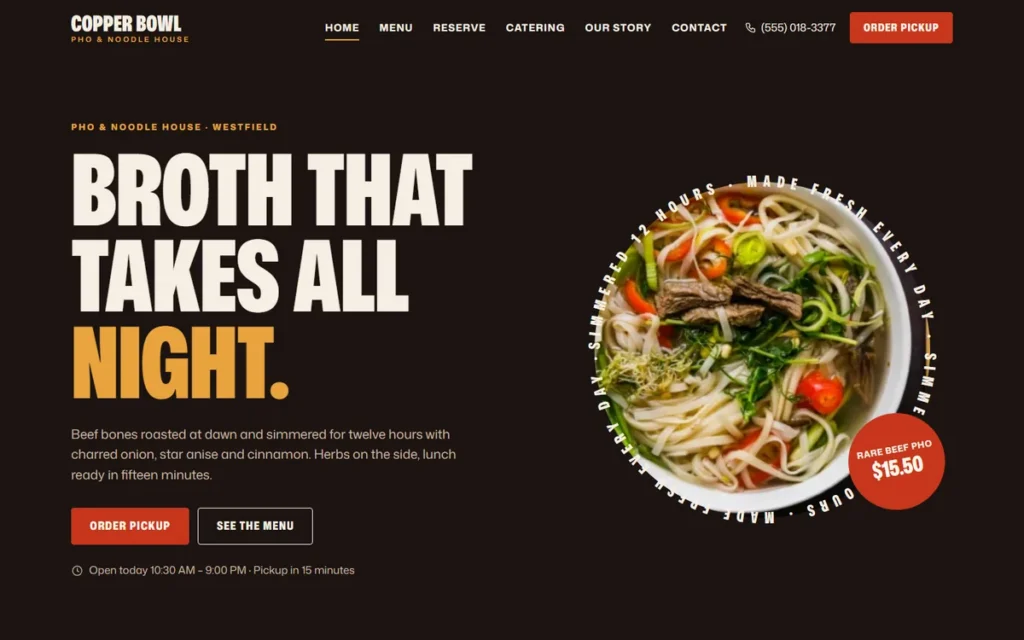
- Website with menu, hours, location and online ordering. Browse our restaurant website templates for pho and noodle house examples.
- Social media showing the broth, the kitchen and the team. Our restaurant social media ideas give thirty post ideas.
- Signs: a grand opening banner, an A-frame sign and window graphics. We print vinyl banners and laminated menus for restaurants.
14. Plan opening day
- Soft opening for friends, family and neighbors to test the kitchen and service.
- Limited menu in the first days if needed, then expand.
- Staff extra for the first weekends.
- Ask for feedback and reviews from happy guests.
- Watch broth timing closely; running out of broth on opening weekend is a common and painful mistake.
Your first 90 days
The first three months reveal what works. Review sales by item weekly, adjust the menu and portions, watch food costs and labor, read every review and respond, and talk to regulars about what they love. Fix slow spots in service before you add new dishes. Restaurants that listen and adjust in the first 90 days build the loyal base that carries them through slower seasons.
Frequently asked questions
How much does it cost to open a pho restaurant?
It depends on location, size, the condition of the space and equipment. Costs include build-out, equipment, permits, deposits, initial inventory, marketing and working capital. A detailed business plan with local quotes gives the most realistic number.
What equipment does a pho restaurant need?
Stock pots and high-output ranges, ventilation, a noodle cooker, refrigeration, prep tables, a slicer for beef, dishwashing equipment, front-of-house furniture, POS and drink equipment.
How do pho restaurants cool broth safely?
By dividing broth into shallow containers or smaller batches and using ice baths or ice wands to bring it down quickly within the time limits set by the food code, then storing it cold and reheating properly.
Do I need a food manager certification?
Most jurisdictions require at least one certified food protection manager. Check your local health department for specific rules.
How long does it take to open a pho restaurant?
Timelines vary with permits, construction and inspections. Plan review, build-out and equipment delivery often take several months.
How can a new pho restaurant get customers?
A complete Google profile, a website with online ordering, social media showing the broth and kitchen, a grand opening banner and asking happy guests for reviews.
Knowing how to open a pho restaurant starts with respecting the broth: a kitchen designed for it, safe cooling, consistent sourcing and a team trained to serve it fast and the same way every time. Pair that with a solid plan, the right location, clear pricing and steady marketing, and your pho restaurant can become a neighborhood favorite for years. Our guide to restaurant marketing in the US and Canada covers what comes after opening day.
No time to do this yourself? We can do it for you.
Send your business name and ZIP code. We review your Google Maps, Yelp and Facebook presence and call you back for free.