In this article22 sections
Custom stickers for small business are one of the most cost-effective branding tools you can buy. A roll of logo stickers seals every bag and box with your name, a product label tells customers what they bought and how to use it, a thank-you sticker makes an order feel like a gift, and a sticker customers put on their laptop or water bottle turns them into walking advertisements. For a few cents each, stickers make a small business look established and memorable.
This guide explains how to choose and use custom stickers well: the main types, materials and finishes, sizes and shapes, adhesives, design rules for small formats, QR codes, quantities and pricing, proofs, application and storage, then twenty-five practical ways nail salons, spas, cafés, bakeries, restaurants, florists and boutiques use stickers to brand every order and bring customers back.
Why stickers work for small businesses
- Low cost per piece: stickers become very inexpensive in larger quantities.
- Everywhere your product goes: bags, boxes, cups, envelopes and packaging carry your brand into homes and offices.
- Instant upgrade: a plain kraft bag with a beautiful logo sticker looks premium.
- Flexible: one design works on many packaging types, so you can buy generic packaging in bulk.
- Shareable: customers photograph branded packaging and keep fun stickers.
Types of custom stickers
| Type | What it is | Best for |
|---|---|---|
| Roll stickers | Stickers on a roll, peeled one by one | High-volume packaging, product labels, fast application |
| Sheet stickers | Several stickers on one sheet | Small runs, mixed designs, giveaways |
| Die-cut stickers | Cut to the exact shape of the design | Logo stickers for laptops and bottles |
| Kiss-cut stickers | Cut through the sticker but not the backing | Easy peeling, sticker sheets |
| Labels | Rectangular or round stickers with information | Product names, ingredients, care instructions |
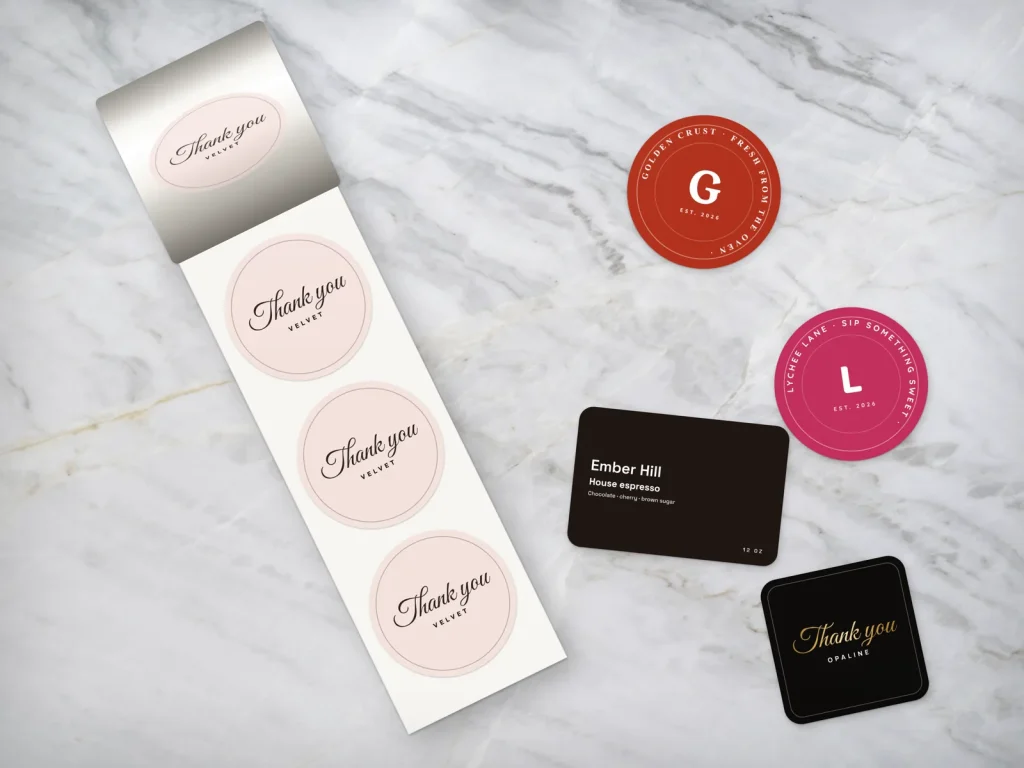
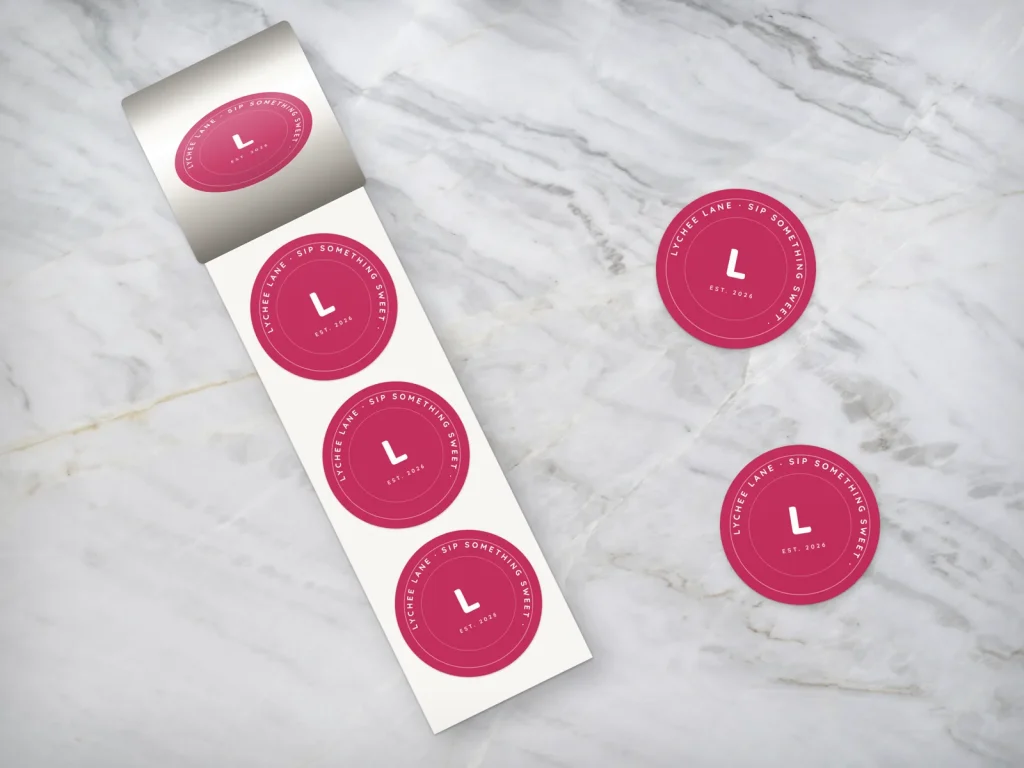
For most businesses that seal packaging every day, roll stickers are the practical choice: they are fast to peel and apply, and easy to store at the counter. Dreamer prints roll stickers in round and square sizes for logos and labels.
Choosing materials
- Paper: inexpensive and easy to write on; good for dry packaging and short-term use.
- Vinyl: durable, water-resistant and flexible; good for bottles, cups and anything that may get wet or handled often.
- Clear: the background disappears, so your design looks printed directly on glass jars or clear cups. Designs often need white ink behind colors so they stay visible.
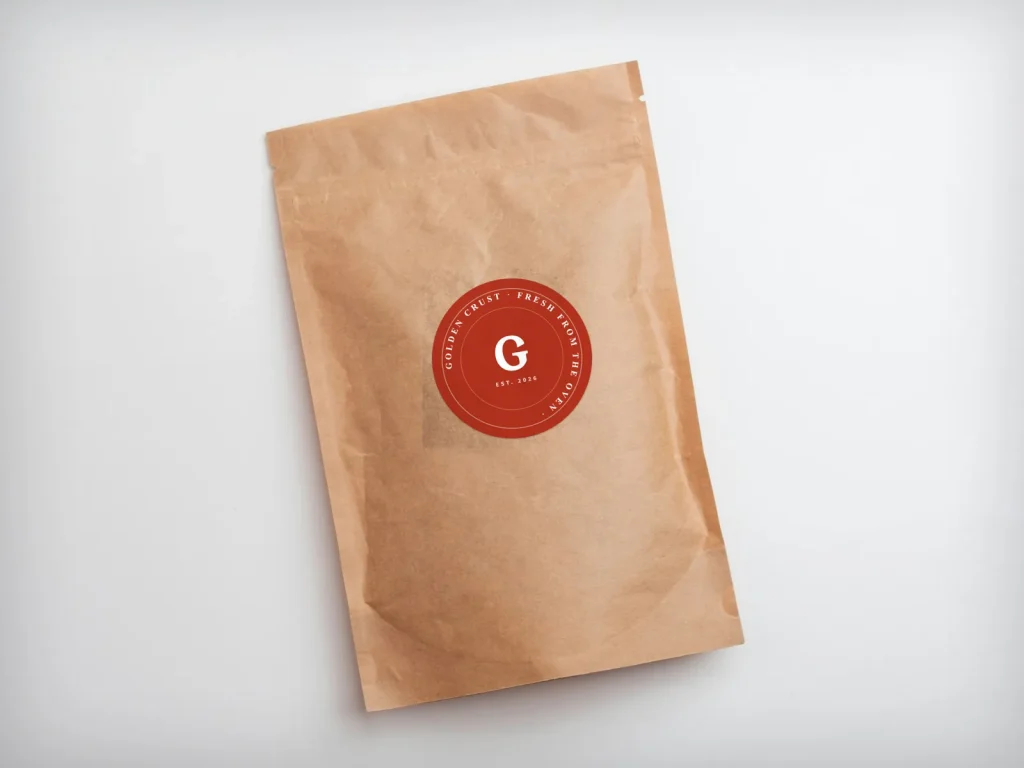
- Kraft paper: natural, handmade look for bakeries, florists and eco-friendly brands.
- Holographic or metallic: eye-catching special effects for limited editions and premium brands.
Choose the material for where the sticker will live. A paper sticker on an iced drink will wrinkle in minutes; a vinyl sticker on a kraft bag may be more than you need.
Choosing finishes
- Gloss: bright colors, shiny surface; good for photos and vivid designs.
- Matte: elegant, no glare, easier to write on; good for minimal and premium brands.
- Soft-touch or textured: a luxury feel for boutiques and skin care.
- Foil accents: gold or silver details for logos and holiday editions.
- Laminate: adds protection against scratches, moisture and fading.
If staff will write dates, names or flavors on the stickers, choose matte or uncoated paper so pens do not smear.
Sizes and shapes
Common sizes for small business stickers:
- 1.5 to 2 inch round: logo seals for bags, boxes and cups.
- 2 × 3 inch or similar rectangles: product labels with a name and short details.
- 3 inch and larger: laptop and bottle stickers, window stickers.
Round stickers are the most versatile for sealing packaging. Rectangles fit more text. Die-cut shapes that follow your logo make the best giveaway stickers. Before ordering, cut a paper mock-up and place it on your actual bag, box or cup to check the size.
Adhesives
- Permanent: standard for packaging seals and product labels.
- Removable: for temporary uses, such as event stickers or price stickers that should peel cleanly.
- Freezer or fridge-grade: for products stored cold, such as cakes, drinks and prepared food.
- Window stickers: printed to be seen from inside or outside the glass, sometimes with static cling instead of adhesive.
Tell your printer where and how the sticker will be used so they recommend the right adhesive.
Design rules for tiny formats
Stickers are small, so design for legibility:
- Simple logo version: use the compact form of your logo, not the full lockup with a tagline.
- Few words: your name, maybe one short line ("Thank you!", "Handmade with love", your website).
- Bold, readable fonts: thin scripts disappear at small sizes.
- Strong contrast between text and background.
- Bleed and safe area: extend the background past the cut line and keep important elements away from the edge.
- Test at actual size: print the design at 100 percent and look at it at arm's length.
Our guide to nail salon logo design explains why every brand needs a small, simple version of its logo; stickers are where you will use it most.
Adding QR codes to stickers
A QR code sticker can link to your menu, online ordering, booking page, review page or a care guide. Keep the code large enough to scan (around three quarters of an inch or more), print it on a light quiet area, label it ("Scan to reorder") and test it with several phones before ordering. Our article on QR codes for salons covers sizing and testing in detail.
Quantities and pricing
Sticker pricing usually drops sharply as quantity rises, because setup costs are spread over more pieces. To order smart:
- Order generic logo stickers in larger quantities; you will use them on everything.
- Order product or seasonal labels in smaller runs, because content changes.
- Combine several designs in one order if your printer allows it.
- Plan ahead for holidays to avoid rush fees.
Estimate how many orders, bags or boxes you send out each month, then order enough for several months of logo stickers.
Proofs, application and storage
- Check the proof for spelling, colors, size and cut line before approving.
- Apply on clean, dry surfaces at room temperature for the best adhesion.
- Use a dispenser for roll stickers at busy counters.
- Store rolls in a dry, cool place, away from sunlight and humidity.
- Keep a small supply at every station where staff pack orders.
25 ways small businesses use custom stickers
Packaging and orders
- Seal every bag with a round logo sticker.
- Close boxes for cakes, pastries and gift sets.
- Brand takeout containers and cup lids.
- Label flavors or variants with colored stickers.
- Add a thank-you sticker inside online orders.
- Mark pickup orders with name stickers.
Product labels
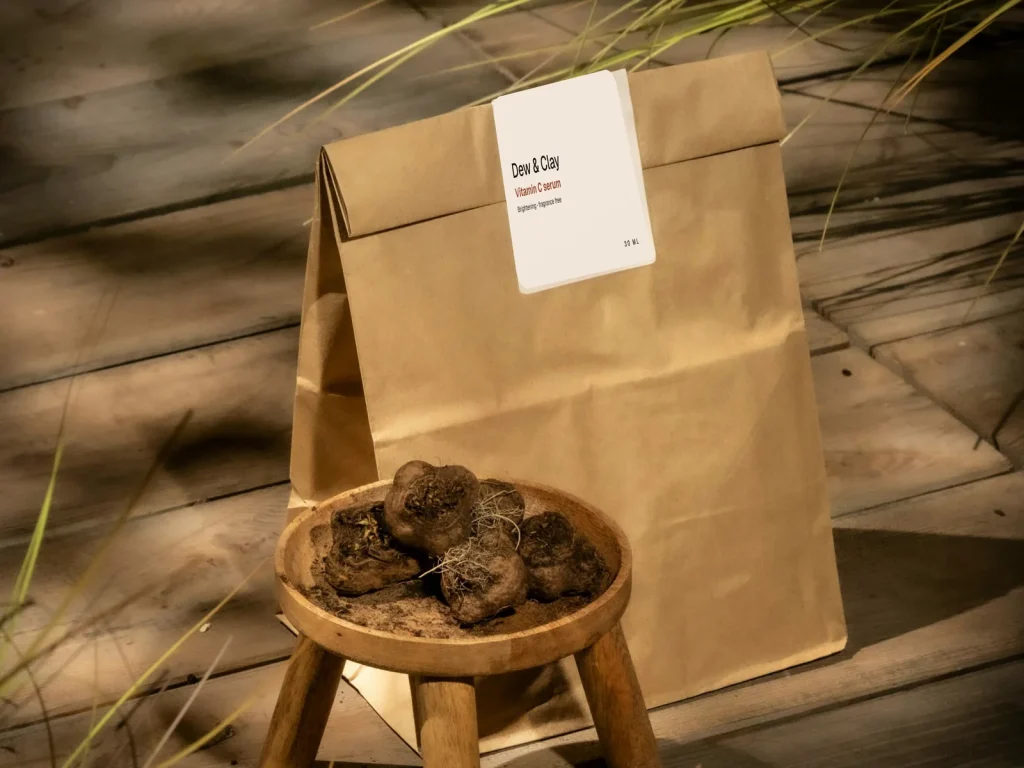
- Product names and sizes on jars, bottles and pouches.
- Ingredients and allergens for food products, following labeling rules.
- Care instructions for skin care, candles and clothing.
- Batch or date stickers for freshness.
In the shop
- Window and door stickers with hours, payment logos and social handles. See our door and window decals.
- QR stickers on tables for menus and reviews.
- Price and promotion stickers on retail shelves.
- Station stickers with technician names or numbers.
- "Ask about gift cards" stickers at the register.
Marketing and loyalty
- Free logo stickers with purchases for laptops and water bottles.
- Collectible seasonal stickers that bring fans back.
- Event stickers for markets, fairs and grand openings.
- Referral stickers with a code for friends.
- Loyalty stamp stickers on punch cards.
Industry ideas
- Nail salons: thank-you stickers on gift certificate envelopes and retail bags.
- Cafés: cup stickers with your logo and a QR code for the loyalty program.
- Bakeries: box seals, flavor labels and holiday stickers on pre-orders.
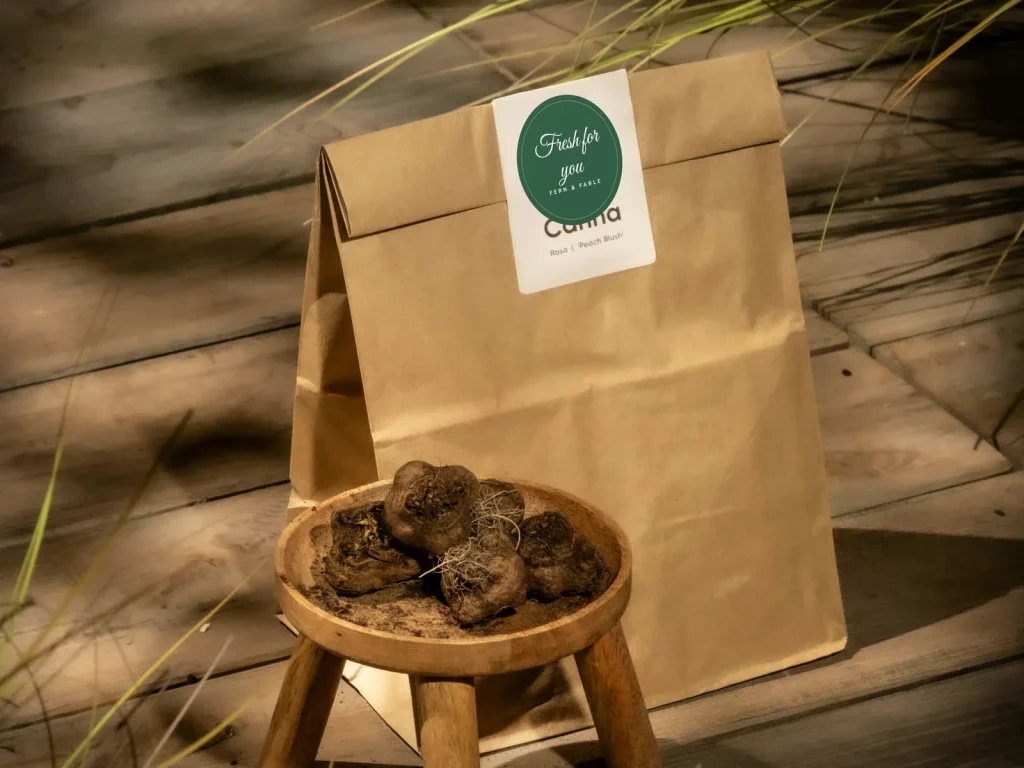
- Florists: kraft stickers on wrapping paper with care instructions on the back of a card.
- Boutiques: tissue paper seals that make every purchase feel like a gift.
Custom stickers by type of business
Every business uses custom stickers a little differently:
- Nail salons and spas: logo stickers on retail bags and gift certificate envelopes, thank-you stickers inside gift sets, small QR stickers at stations for reviews.
- Cafés and tea shops: cup stickers with the logo, flavor stickers for bottled drinks, loyalty stickers on punch cards, seasonal custom stickers for new drinks.
- Bakeries: box seals, flavor labels and holiday stickers on pre-order boxes, kraft roll stickers for a handmade look.
- Restaurants: seals on takeout bags (they also show the order has not been opened), stickers with the website for online ordering.
- Florists: kraft logo stickers on wrapping paper, care instructions on a small label.
- Boutiques and gift shops: tissue paper seals, logo stickers on shopping bags, collectible custom stickers with purchases.
- Markets and grocery stores: price and promotion stickers, labels for house-made products.
Plan a sticker system for your shop
Instead of ordering one-off designs, plan a small system of custom stickers that work together:
- One logo sticker for all packaging, ordered in a large quantity.
- One information label template with space for product names and details.
- One thank-you or promotional sticker that changes by season.
- Optional QR sticker for reviews, booking or reordering.
Use the same colors and fonts for all of them. A system keeps packaging consistent, simplifies reordering and makes training staff easy: they know which sticker goes where.
Custom stickers for events and pop-ups
Markets, fairs and pop-up shops are ideal places for custom stickers. Hand out a small free sticker with every purchase, use stickers to brand sample cups and bags, and put a sticker with a QR code on your booth sign so people can follow you or order later. Event stickers with the date and place can become small souvenirs that keep your name in people's homes long after the event.
Working with a printer
To get custom stickers right the first time:
- Send vector files of your logo (AI, EPS, SVG or PDF) for sharp edges.
- Ask about color matching if your brand colors are specific; screen colors and print colors differ.
- Specify white ink for clear stickers and dark surfaces.
- Confirm the cut line for die-cut shapes, and keep text away from it.
- Review the proof at 100 percent size before approving.
Budgeting for custom stickers
Treat roll stickers for packaging as a regular supply, like bags and boxes, and include them in your monthly budget. Because the price per sticker drops with quantity, one larger order of logo stickers each quarter usually costs less than small orders every few weeks, while seasonal designs stay in smaller runs.
Stickers and branding consistency
Stickers should match the rest of your brand: the same logo, colors and fonts as your sign, menu, business cards and website. When a customer receives a bag sealed with your sticker and a business card in the same style, the experience feels intentional. Our article on nail salon business cards shows how cards and small printed pieces work together, and we print matching business cards alongside stickers.
Labeling claims to be careful with
Stickers often carry claims such as "Made in USA", "organic", "handmade" or "all natural". Make sure every claim is true and can be supported. The FTC explains when products may be called Made in USA, and food labels must follow food labeling rules for ingredients and allergens. When in doubt, describe facts ("baked in our Houston kitchen") rather than broad claims.
Stickers that customers share
Some stickers are designed to be kept and shown off. To make yours collectible:
- Make it beautiful or funny, not just a logo.
- Tie it to your story or city, such as a pho bowl with your neighborhood name.
- Release seasonal editions for Lunar New Year, Halloween or your anniversary.
- Invite customers to post photos with your sticker and tag you.
Every sticker on a laptop in a coffee shop or a water bottle at the gym is a small, free advertisement for your business. Keep a few of your best designs at the register in a small bowl, and let regulars pick one with their order; people love choosing, and the bowl itself starts conversations about your brand.
Sustainability and stickers
Many customers care about packaging waste. If that matters to your brand, ask your printer about paper-based stickers, recyclable liners and inks suited to recyclable packaging, and use one sticker instead of extra wrapping when it does the job. A single well-designed seal on a plain kraft bag can look more premium than layers of plastic, while using less material. Mention it only if it is true: claims such as "compostable" or "plastic-free" need to be accurate for the specific materials you use.
Common sticker mistakes
- Too much text on a small sticker.
- Wrong material for wet or cold conditions.
- Glossy finish where staff need to write.
- Clear stickers without white ink, so colors disappear on dark surfaces.
- Ordering too many seasonal stickers that become outdated.
- Inconsistent colors with the rest of the brand.
Frequently asked questions
What are the best custom stickers for small business packaging?
Round logo stickers on a roll, about 1.5 to 2 inches, are the most versatile for sealing bags and boxes. Add rectangular labels when you need product information.
Should I choose paper or vinyl stickers?
Paper is inexpensive and good for dry packaging; vinyl is water-resistant and better for cups, bottles and products that may get wet or cold.
What size should a logo sticker be?
Most businesses use 1.5 to 2 inch round stickers for packaging seals and 3 inches or larger for laptop and bottle stickers.
How many custom stickers should I order?
Estimate your monthly packaging use and order several months of logo stickers at once, since price per sticker drops with quantity. Order seasonal and product-specific labels in smaller runs.
Can I put a QR code on a sticker?
Yes. Keep it large enough to scan, place it on a light background, label it and test it with several phones before ordering.
Do food product stickers need special information?
Food labels for packaged products generally need the product name, ingredients, allergens, net quantity and business name and address, following food labeling rules.
Custom stickers for small business are small, affordable and surprisingly powerful. Choose the right type and material for each use, design for tiny sizes, order generic logo stickers in bulk and specific labels in smaller runs, and put your brand on every bag, box and cup that leaves your shop. If you want logo stickers, labels and window decals designed as one set, Dreamer's design and printing team prints for small businesses across the US. For more ways to make every order count, see our guide to coffee shop marketing ideas.
No time to do this yourself? We can do it for you.
Send your business name and ZIP code. We review your Google Maps, Yelp and Facebook presence and call you back for free.