In this article25 sections
Learning how to open a banh mi shop starts with a simple truth: the sandwich is only as good as its bread, and the shop is only as good as its lunch line. A banh mi shop can be a wonderful small business. The menu is focused, ingredients are affordable compared with many restaurant concepts, the food travels well for takeout and catering, and loyal customers come back several times a week. But success depends on details: a baguette with a crackling crust and airy crumb, house-made pickles and pâté, fillings prepared ahead, and an assembly line that serves a busy lunch rush in minutes.
This guide walks through fourteen steps to open a banh mi shop: choosing your concept, deciding whether to bake your own bread, building the menu, designing the space for speed, equipping the kitchen, getting permits, handling food safety, sourcing ingredients, hiring and training, pricing, packaging, catering, online ordering and marketing, and opening week. Rules differ by city and county, so confirm requirements with your local health department and building officials.
1. Choose your banh mi shop concept
- Classic banh mi counter: a focused menu, fast service, takeout first, a few seats.
- Banh mi and coffee: sandwiches plus Vietnamese coffee, tea and pastries, open from early morning.
- Bakery with banh mi: your own baguettes and pastries, with sandwiches as the main draw.
- Modern sandwich shop: creative fillings alongside the classics, design-forward space.
- Kiosk or food truck: low rent, high mobility, limited menu.
Write down who you serve: office workers, students, families, the Vietnamese community, tourists. Your concept, hours and location follow from that.
2. Decide on the bread
The baguette makes or breaks a banh mi shop. You have two main options:
- Bake your own: full control over the crust, freshness and the smell that pulls people in from the sidewalk. It requires ovens, mixers, proofing space, skilled bakers and very early hours.
- Buy from a bakery: lower investment and fewer early mornings, but you depend on the bakery's quality, delivery times and prices.
Many shops start by buying from a trusted Vietnamese bakery and consider baking later. Whatever you choose, warm the bread before assembly so the crust crackles, and agree on daily delivery times that fit your lunch rush.
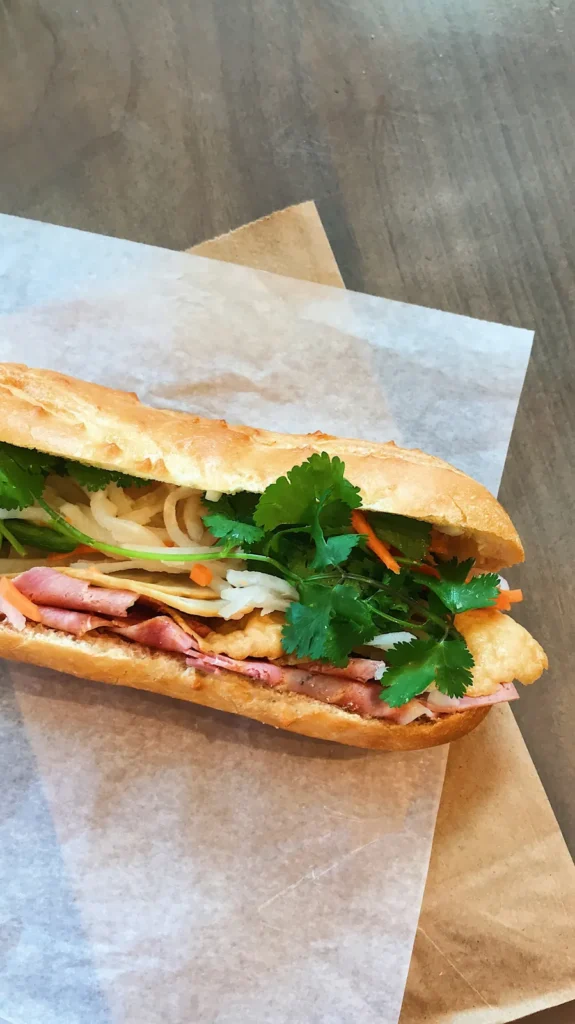
3. Build a focused menu
A short menu keeps the line moving and quality consistent:
| Section | Examples |
|---|---|
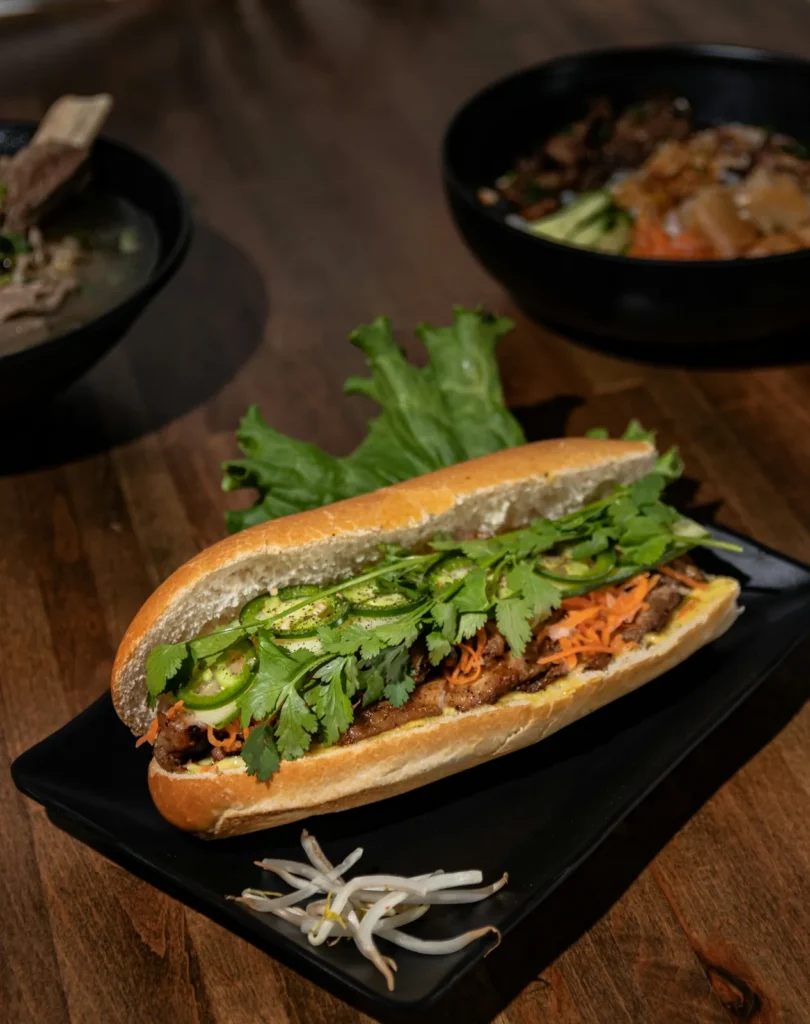
| Classic banh mi | Special combination with cold cuts and pâté, grilled pork, lemongrass chicken, meatball |
| Vegetarian | Lemongrass tofu, egg, mushroom |
| Sides | Spring rolls, summer rolls, chips, pickled vegetables |
| Drinks | Vietnamese iced coffee, iced tea, fresh juices, sodas |
| Extras | Extra meat, extra pâté, fried egg, spicy level |
Name sandwiches clearly in English with the Vietnamese name alongside, and describe unfamiliar fillings in a few words. Our guide to restaurant menu design explains how to structure and present a menu that sells.
4. Design the space for speed
Lunch is the busiest time for any banh mi shop, often within a two-hour window. Design for speed:
- An assembly line: bread station, spreads, proteins, vegetables and herbs, wrapping, in the order the sandwich is built.
- Prepped ingredients in labeled containers within reach.
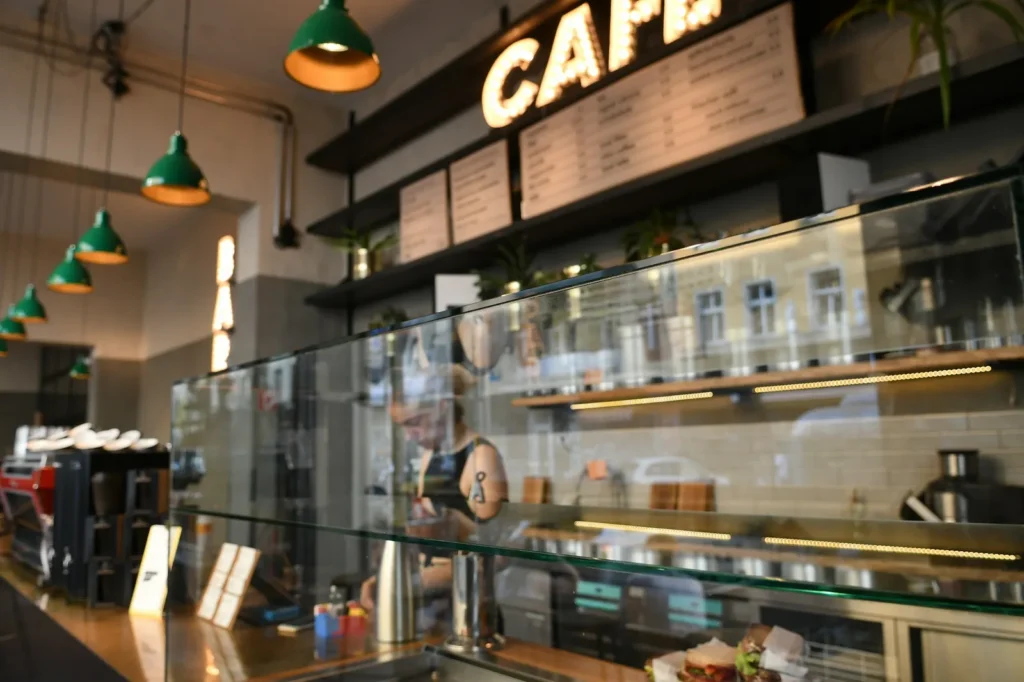
- A clear ordering point and menu board visible from the line.
- A separate pickup area for online orders.
- Short walking distances between the grill, the line and the counter.
Time each step during training and look for bottlenecks; shaving thirty seconds from each sandwich adds up over a lunch rush. Keep backup containers of each filling ready in the refrigerator, so nobody leaves the line to restock in the middle of the rush.
5. Equip the kitchen
- Ovens or a bread warmer to reheat and crisp baguettes.
- Grill or flat top for meats and eggs.
- Refrigerated prep tables for cold cuts, spreads and vegetables.
- Slicers for cold cuts and vegetables if volume justifies them.
- Walk-in or reach-in refrigeration and dry storage.
- Dishwashing: a three-compartment sink or dish machine and a handwashing sink.
- Coffee and drink equipment if you serve Vietnamese coffee and tea.
- POS, kitchen printer or display and online ordering tools.
If you bake bread, add deck or convection ovens, a mixer, proofing space and baking tables.
6. Get permits and licenses
Typical requirements include business registration, building permits for construction, a health department permit after plan review and inspection, food manager certification for at least one person, fire inspections where cooking equipment requires a hood, sign permits and sales tax registration. Start the health department process early; it often sets your opening date. The SBA explains how to calculate your startup costs, including permits and licenses, as part of planning.
7. Handle food safety carefully
A banh mi shop handles cold cuts, pâté, mayonnaise, cooked meats and fresh vegetables, all of which need careful temperature control:
- Keep cold ingredients cold in refrigerated prep tables, and check temperatures during service.
- Cook and cool meats properly, following your local food code.
- Date-label house-made items such as pâté, mayonnaise and pickles, and follow your health department's rules for how long they can be kept.
- Wash herbs and vegetables thoroughly.
- Train staff on handwashing, gloves and avoiding cross-contamination.
Food safety is especially important for catering trays that sit out at meetings; include guidance on how long trays should stay at room temperature.
8. Source ingredients consistently
- Bread from your own bakery or a reliable supplier with daily delivery.
- Meats from suppliers who deliver the same cuts and quality every time.
- Herbs and vegetables: cilantro, cucumbers, jalapeños, carrots and daikon for pickles, delivered fresh several times a week.
- Pantry items: sauces, spices, coffee, condensed milk.
Make your own pickles, pâté and mayonnaise if you can; they are signatures that customers notice and remember, and they cost less than many ready-made versions.
9. Hire and train your team
A small banh mi shop might need a prep cook, a line or two of sandwich makers, a cashier and someone for drinks during the rush. Train everyone on:
- Recipes and portions with photos of each sandwich.
- Speed and order accuracy on the line.
- Food safety and temperature checks.
- Friendly service and suggesting drinks or sides.
10. Price every sandwich from real costs
Calculate the cost of each sandwich: bread, spreads, protein, vegetables, herbs, sauces and wrapping, then add labor and overhead. Banh mi is often seen as an affordable meal, so keep prices fair, but do not underprice your signature sandwiches. Combos with a drink or a side raise the average ticket without discounting the sandwich itself.
11. Package sandwiches to travel
- Paper wraps or bags that let steam escape so the bread stays crisp.
- Sauces and extra pickles on the side for long trips or catering.
- Labels with the sandwich name and any modifications.
- Branded stickers to seal bags and show they have not been opened; Dreamer prints roll stickers for takeout.
12. Build catering early
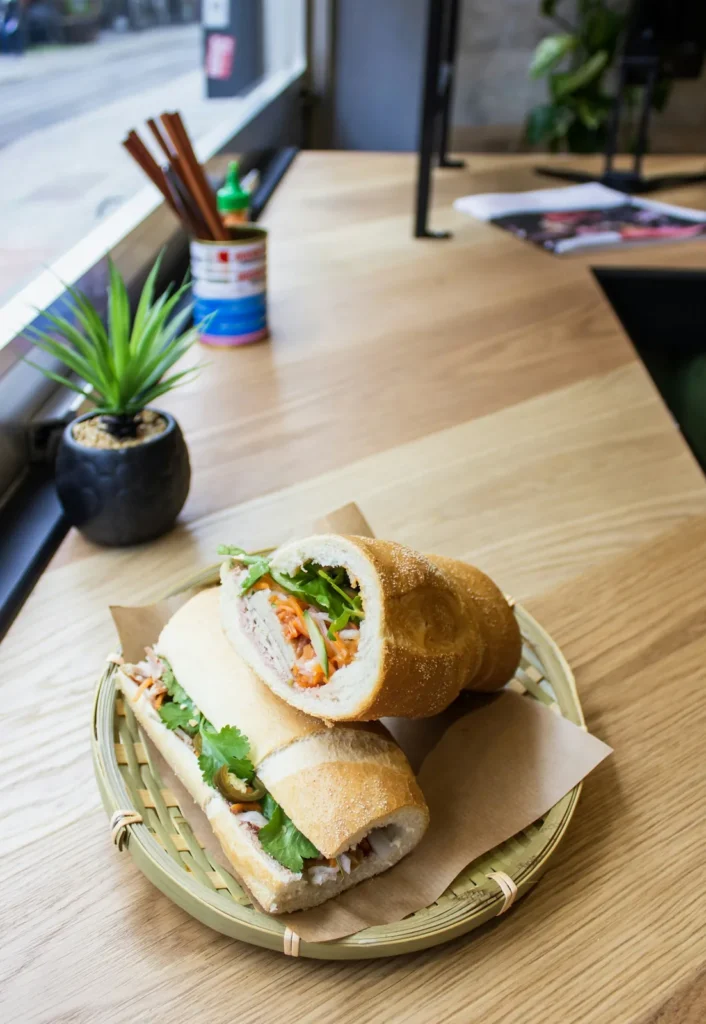
Office lunches, meetings and events are a natural fit for banh mi. Create a catering menu with trays of halved sandwiches, mixed fillings, vegetarian options, spring rolls and drinks, priced by number of guests, with lead times and delivery options. Send it to nearby offices, schools, real estate agencies and medical offices. Catering orders can fill the hours before and after the lunch rush.
13. Set up online ordering and marketing
- Online ordering on your own website for pickup, with clear prep times, plus delivery apps for reach. Our guide to restaurant online ordering explains how to protect margins.
- Google Business Profile with photos, menu, hours and an order button. See local SEO for restaurants.
- Social media showing the bread, the pickles, the line moving fast. See restaurant social media ideas.
- A sidewalk sign with the daily special and a grand opening banner; we print A-frame signs and banners.
- A loyalty card: buy ten sandwiches, get one free.
14. Plan opening week
- Soft opening for friends and neighbors to test the line.
- Prepare more bread and fillings than you think you need, with a plan for selling out gracefully.
- Extra staff for the first lunches.
- Ask for reviews from happy guests.
- Track sales by hour and item to adjust prep for the following weeks.
Write a simple business plan
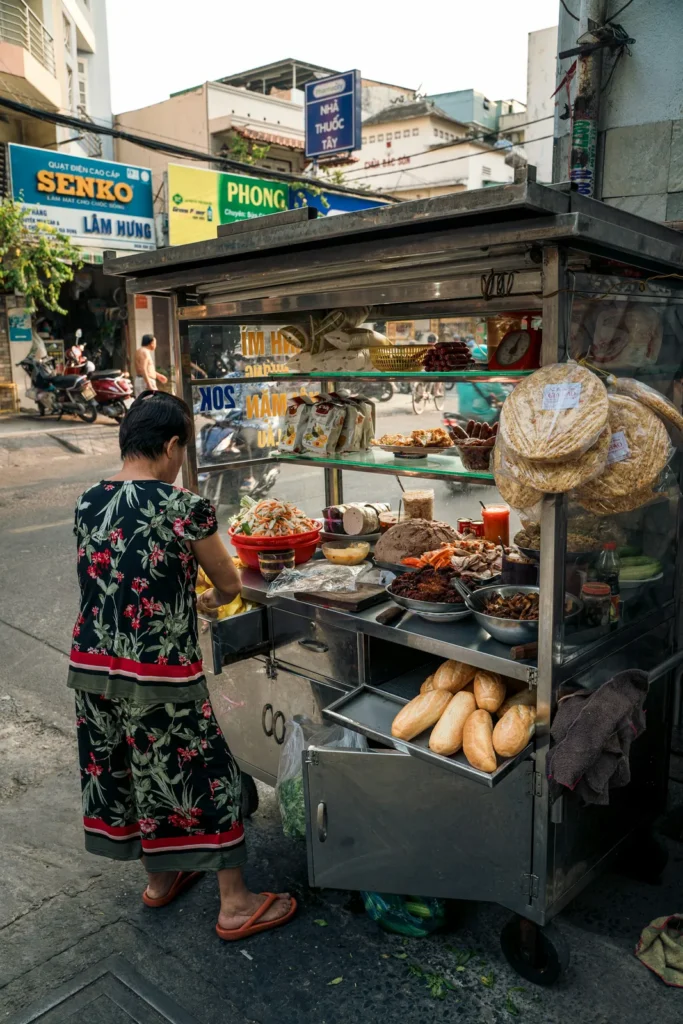
Even a small sandwich counter benefits from a written plan: your concept, target customers, menu and prices, staffing, a start-up budget, monthly costs and a conservative sales forecast. Estimate how many sandwiches you must sell each day to cover rent, payroll and ingredients, then check whether your location can realistically deliver that number at lunch. Lenders and landlords will ask for these numbers, and they will help you make every later decision with confidence.
Choose a location built for lunch
A banh mi shop lives on weekday lunch traffic, so location matters more than square footage. Look for offices, colleges, hospitals and busy retail streets within a short walk, plus parking or a pickup spot for drivers. Visit candidate locations between 11:30 and 1:30 on weekdays and count people walking by. A smaller space in the right place usually beats a large dining room on a quiet street, because most banh mi is eaten at desks, in cars and at meetings.
Create signature items that build loyalty
Customers return for something they cannot get elsewhere. Make two or three signatures: a house special with homemade pâté and cold cuts, a grilled meat marinated your way, a vegetarian sandwich that meat-eaters order too, or a spicy level that becomes a local challenge. Feature them at the top of the menu board, give them memorable names and keep their recipes exactly the same every day.
Extend hours with breakfast and coffee
If your area has morning traffic, breakfast banh mi with egg, Vietnamese iced coffee and pastries can add a second rush before lunch. Start with a short breakfast menu and a coffee setup that is fast to prepare, then expand only if mornings prove busy. Coffee also raises the average ticket all day.
Manage waste and sell-outs
Bread is best on the day it is baked, and fillings have limited holding times. Track sales by hour and day for the first weeks, then order bread and prep fillings to match. Decide in advance what happens to bread that is not used, within food safety rules, and how you will handle selling out: a polite sign and a post on social media are better than serving tired bread.
Drinks and sides that raise the ticket
A combo with Vietnamese iced coffee, a fresh juice or a side of spring rolls lifts the average order without discounting the sandwich. Show combos clearly on the menu board and in online ordering, and train cashiers to offer one add-on. Over a busy lunch, small add-ons make a real difference to the day's profit.
Build relationships with nearby offices
Offices are the backbone of a banh mi shop's weekday sales. Walk your catering menu to nearby offices in the first weeks, bring a tray of samples to a few front desks, and offer an easy way to order for meetings. Keep a list of office contacts and send them a short note before holidays and busy seasons. A handful of loyal offices can bring steady orders every week.
Seasonal specials keep regulars curious
Regulars who come three times a week appreciate something new. A seasonal special, such as a Lunar New Year sandwich, a summer cold noodle salad or a holiday tray, gives them a reason to try more and gives you something to post about. Keep specials simple to make on the same assembly line, and retire them on schedule so the core menu stays focused.
Keep the shop clean during the rush
A busy lunch line creates crumbs, spills and stacks of trash quickly. Assign one person to reset the counter, wipe tables, empty bins and restock napkins every half hour during the rush. Clean, organized counters reassure guests about food safety and make the line feel faster even when it is long.
Common mistakes when you open a banh mi shop
- Inconsistent bread from a supplier that cannot deliver on time.
- A menu too long for the line to handle at lunch.
- No assembly line, so every sandwich takes too long.
- Underpricing signature sandwiches to compete with the cheapest shop.
- Ignoring catering and online ordering, leaving afternoon hours empty.
- Weak food safety habits with cold cuts and house-made spreads.
Frequently asked questions
How much does it cost to open a banh mi shop?
It depends on location, size, whether you bake bread and the condition of the space. Build a detailed budget with local quotes for rent, build-out, equipment, permits, inventory, marketing and working capital.
Should a banh mi shop bake its own bread?
Baking your own bread gives control and a signature product, but needs ovens, skills and early hours. Many shops start by buying from a trusted bakery and add baking later.
What equipment does a banh mi shop need?
Bread warmers or ovens, a grill or flat top, refrigerated prep tables, refrigeration, dishwashing and handwashing sinks, coffee equipment, a POS and online ordering tools.
How do I keep banh mi bread crisp for takeout?
Warm the bread before assembly, wrap sandwiches in paper that lets steam escape and pack wet sauces and extra pickles separately for longer trips.
Is catering worth it for a banh mi shop?
Yes. Office and event trays are a natural fit, raise average order size and can fill hours outside the lunch rush.
How can a new banh mi shop get customers?
A complete Google profile, online ordering, social media showing the bread and pickles, a sidewalk sign, catering outreach to nearby offices and a simple loyalty card.
Knowing how to open a banh mi shop comes down to a few essentials done extremely well: crisp bread, fresh fillings, a fast line, safe handling and steady marketing to the people nearby. Build those foundations, add catering and online ordering, and your banh mi shop can become the lunch habit of an entire neighborhood. If you want a menu board, stickers, a website with online ordering or catering menus, Dreamer's website design team and print studio work with restaurants across the US.
No time to do this yourself? We can do it for you.
Send your business name and ZIP code. We review your Google Maps, Yelp and Facebook presence and call you back for free.