In this article25 sections
A foot spa business can be a steady, rewarding small business. Foot massage and reflexology shops attract office workers on lunch breaks, shoppers in busy plazas, older clients with tired feet and couples looking for an affordable hour of relaxation. Services are shorter and simpler than full-body spa treatments, chairs can sit in an open room, and loyal clients come back weekly. But a foot spa also has to earn trust: clients want licensed, professional therapists, spotless basins, clear prices and a business that looks and feels legitimate from the street.
This guide walks through fourteen steps to start a foot spa business: understanding licensing, defining your concept, choosing a location, designing the layout, buying equipment, setting hygiene routines, building a service menu, setting prices, hiring and training therapists, protecting your reputation, getting insured, setting up booking and payments, marketing and measuring results. Rules for massage and reflexology vary widely by state and city, so confirm requirements with your licensing board and local officials before opening.
1. Understand licensing for massage and reflexology
Licensing is the first question for any foot spa business. In many states, massage therapy is licensed, and foot massage may fall under that license. Some states treat reflexology separately or exempt it under certain conditions; others do not. Cities and counties may also require establishment permits for massage businesses.
The Federation of State Massage Therapy Boards provides information on state massage regulation and links to state boards. Before signing a lease:
- Check your state board's rules for massage and reflexology.
- Check city and county ordinances for massage establishments.
- Confirm which services each therapist may perform under their license.
- Ask about inspections, posting licenses and record keeping.
Operating fully within the rules is not only a legal requirement; it is the foundation of your reputation.
2. Define your concept
Foot spas range from simple to upscale:
- Express foot massage shop: open seating, 30 to 60 minute sessions, walk-ins welcome, affordable prices.
- Reflexology studio: focus on reflexology techniques, calmer atmosphere, appointments.
- Foot spa with body add-ons: foot massage plus shoulder, neck and back work in the same chair or a separate room.
- Upscale foot spa: private or semi-private areas, herbal soaks, tea service, higher prices.
Write down who your ideal client is and how your foot spa will feel when they walk in.
3. Choose a location
Location is critical for a foot spa that relies on walk-ins:
- High foot traffic: shopping plazas, near supermarkets, office districts, tourist areas.
- Visibility: a clear storefront and sign that show what you offer.
- Parking or transit close by.
- Neighbors: nail salons, restaurants and bubble tea shops attract the same busy clients.
- Zoning and leases: confirm that massage establishments are allowed at the address and that the lease permits your use.
Visit the location at lunch, after work and on weekends to see who walks by.
4. Design the layout
Most foot spas use a row of reclining chairs in an open room, sometimes with curtains or low dividers for privacy. Plan:
- Reclining chairs spaced so therapists can sit comfortably and move between clients.
- Foot basin stations with easy access to water and drains, or a back-room area for filling and cleaning basins.
- Privacy options: curtains or semi-private areas for clients who prefer them.
- Reception and waiting area with clear prices on the wall.
- Back room for laundry, towels, supplies and staff breaks.
- Restroom clean and stocked.
An open, bright room with clear sightlines also helps the business look professional and welcoming from the street.
5. Buy the right equipment
- Reclining chairs or loungers that are comfortable, durable and easy to clean.
- Foot basins (wooden, ceramic or plastic) with liners if you use them.
- Therapist stools with good back support.
- Towel warmers and hot water for soaks and warm towels.
- Laundry setup or a laundry service.
- Lighting control for a relaxing mood.
- Music system with properly licensed music.
- POS and booking tools at reception.
Test chairs yourself for comfort over an hour; clients notice uncomfortable seating quickly.
6. Set hygiene routines
Clean basins and fresh linens are non-negotiable:
- Clean and disinfect basins after every client with an appropriate disinfectant and contact time, or use disposable liners.
- Fresh towels and covers for every client.
- Hand washing before and after each session.
- Daily deep cleaning of chairs, floors and restrooms.
- Clear logs if required by local rules.
Let clients see your hygiene: a basin cleaned in front of them or a fresh liner opened at the chair reassures first-time visitors.
7. Build a service menu
Keep the menu simple and clear:
| Service | Typical length | Notes |
|---|---|---|
| Foot soak and foot massage | 30, 45 or 60 minutes | The core service |
| Reflexology session | 45 or 60 minutes | For clients who want focused technique |
| Foot plus shoulder and neck | 60 or 90 minutes | Popular with office workers |
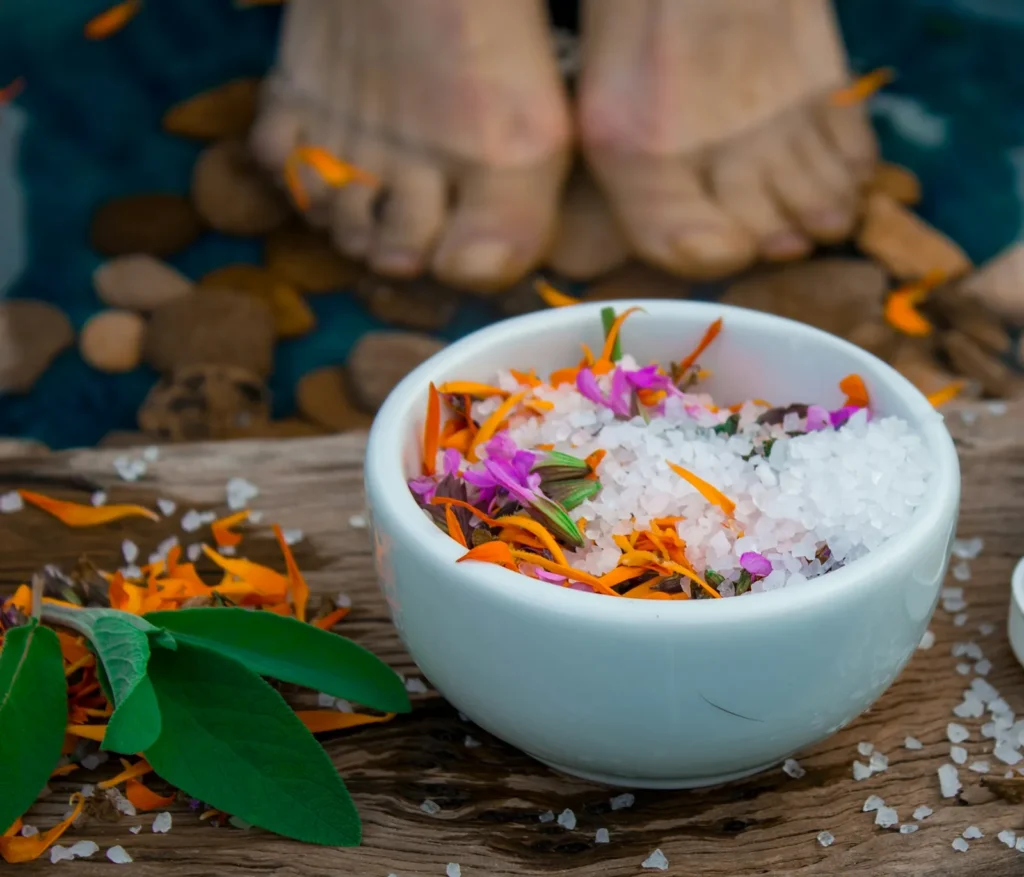
| Herbal or salt soak add-on | Add-on | Simple upgrade |
| Hot stone or warm compress add-on | Add-on | Comfort upgrade |
Describe each service by how it feels and what it includes. Avoid health claims such as curing illnesses; describe relaxation and comfort instead.
8. Set prices
Base prices on therapist pay, rent, utilities, laundry, supplies, card fees and marketing, then compare with nearby foot spas of similar quality. Show prices clearly on the wall, website and Google profile. Consider simple loyalty options: a punch card or plastic member card where every tenth session includes an upgrade. Dreamer prints plastic member cards that work with your POS and wall price lists that are easy to read from the waiting area.
9. Hire and train therapists
- Hire licensed therapists for services that require a license.
- Train on your standards: greeting, pressure checks, hygiene, timing and how to end a session.
- Classify workers correctly as employees or independent contractors under federal and state rules.
- Schedule for demand: more therapists at lunch, evenings and weekends.
Therapists who communicate well, check pressure and keep time accurately turn first visits into weekly regulars.
10. Protect your reputation
Foot spas and massage businesses are sometimes judged unfairly because of illicit operations elsewhere. Build trust deliberately:
- Display licenses clearly at reception.
- Keep the storefront bright and open, with clear prices and services visible.
- Use professional language on signs, websites and ads.
- Maintain clear policies on appropriate conduct for clients and staff.
- Cooperate fully with inspections and keep records in order.
- Respond professionally to every review.
A professional reputation attracts the clients you want and protects your staff.
Open seating or private areas?
Open seating, with recliners in a row, keeps costs low, makes the room feel social and lets you serve more clients in less space. Many clients like it because they can come with a friend or family member. Private or semi-private areas suit clients who want a quieter experience and combined treatments for the neck, shoulders and back. Many successful foot spas offer both: an open main room for express sessions and one or two curtained areas for longer treatments. Whatever you choose, keep the main room visible from the entrance; openness signals professionalism.
Create a calm atmosphere on a budget
You do not need expensive decor to create a relaxing space. Focus on soft, warm lighting, comfortable temperature, clean towels, a few plants, gentle music at a low volume and a scent that is subtle rather than strong. Offer water or tea after the session. Keep the floor clear of clutter and the back room door closed. These small details make clients feel cared for, and they are what people describe in reviews.
Serving older clients and clients with health conditions
Many regular clients are older adults or people who stand all day at work. Ask a few simple questions before the first session: whether they have diabetes, circulation problems, recent surgery or injuries on the feet or legs, or any condition their doctor has mentioned. Adjust pressure, avoid areas that cause discomfort and encourage clients with medical conditions to check with their doctor before regular sessions. Never promise to treat or cure health problems; describe your services as relaxation and comfort.
Walk-ins, waiting and turnover
Walk-ins are the lifeblood of many foot spas, so manage them well. Greet every client immediately, give an honest wait time, offer a seat and water, and use a simple check-in list so nobody is skipped. Schedule therapists to match the busiest hours, and keep a few chairs for walk-ins even when appointments are booked. Cleaning basins and changing towels quickly between clients keeps turnover smooth without making anyone feel rushed.
Add-ons and retail
Add-ons such as herbal soaks, warm compresses, scalp massage and extra shoulder time raise the average ticket without new clients. A small retail shelf with foot creams, socks or massage tools can add revenue when therapists recommend items naturally. Keep add-on prices visible on the wall menu so clients can choose without feeling pressured.
11. Get insured
Talk to an insurance agent about general liability, professional liability, property insurance and workers' compensation where required. Make sure policies cover the specific services you offer, including reflexology and any add-ons.
12. Set up booking and payments
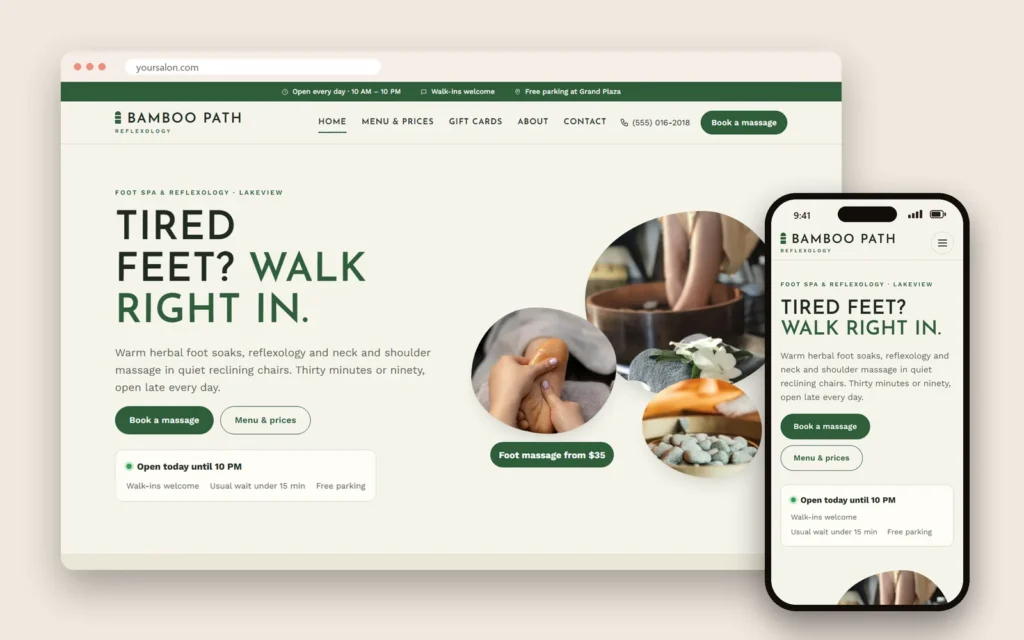
Many clients walk in, but online booking captures those who plan ahead and reduces waiting. A simple system with service lengths, therapist schedules and confirmation emails helps balance walk-ins and appointments. A POS that tracks sales, tips and gift cards keeps the books clean. Our guide to online booking for spas explains the setup, and you can see a foot spa website with gift cards and booking in our spa website templates.
13. Market the foot spa business
- Google Business Profile: the right category, photos of the clean room and chairs, prices and hours. Our article on local SEO for spas explains how to rank nearby.
- Storefront and sidewalk signs: a clear sign plus an A-frame with a simple offer. Dreamer prints A-frame signs for spas.
- Gift cards for holidays and Father's Day and Mother's Day. See our gift certificates.
- Partnerships with nearby offices, gyms and senior centers.
- Slow-hour offers for weekday afternoons. Our guide to spa promotion ideas has twenty ideas that do not depend on deep discounts.
Gift cards and memberships for a foot spa
Gift cards are a natural fit: adult children buy them for parents, coworkers buy them for each other and many people want an easy, relaxing gift. Display them at reception, sell them online and mention them on your sidewalk sign before holidays. For regulars who come weekly, a simple membership or a prepaid package of sessions at a small saving encourages loyalty and gives the business predictable income. State the terms clearly: which services are included, how long sessions remain valid and how cancellations work. Track gift cards and packages in your POS so balances are always accurate.
Build relationships in the neighborhood
A foot spa grows through word of mouth. Introduce yourself to nearby businesses, offer office managers a corporate gift card program, leave a few cards at the front desks of hotels and gyms, and support local events. Regulars who feel welcomed by name become your best advertisement, bringing friends, parents and coworkers who also want a relaxing hour close to home or work.
14. Measure results
Track a few numbers each month: sessions per day and per therapist, walk-ins versus appointments, average ticket with add-ons, repeat visits, gift card sales and new reviews. Ask new clients how they found you. Adjust hours, staffing and promotions based on what the numbers show.
Take care of your therapists
Foot massage is physically demanding. Therapists use their thumbs, hands and shoulders for hours, often on low stools. Protect them, because tired or injured therapists leave and service quality drops: provide stools with back support, schedule short breaks between long sessions, rotate heavy-pressure clients, train on body mechanics that save the hands and wrists, and listen when someone reports pain. A team that feels cared for treats clients better and stays longer, which is the real secret of a steady foot spa business.
Plan for seasons and slow hours
Most foot spas see busy evenings and weekends, steady lunch hours near offices and slower mid-afternoons. Holidays bring gift card sales, and cold months bring clients who want warmth and comfort. Use slow afternoons for senior or student specials, schedule training during quiet weeks and push gift cards in November and December. Track sessions by hour and day for a few months so staffing follows demand instead of guesswork.
Common mistakes when starting out
- Opening before confirming licensing for every service on the menu.
- Dark, closed-off storefronts that make people hesitate to walk in.
- Unclear pricing or prices that change from person to person.
- Skipping basin disinfection on busy days.
- Health claims on signs and ads that cannot be supported.
- No system for walk-ins, so clients wait without knowing how long.
Frequently asked questions
Do I need a license to open a foot spa business?
It depends on your state and city. Many states license massage therapy and may include foot massage; some treat reflexology differently. Cities often require establishment permits. Check with your state board and local officials.
Is reflexology the same as massage?
Reflexology focuses on applying pressure to specific points on the feet and hands, while massage covers broader techniques. How each is regulated depends on your state.
How much should a foot spa charge?
Set prices from your costs, therapist pay and local market. Show clear prices for each session length and add-on, and compare with nearby foot spas of similar quality.
How do I keep foot basins hygienic?
Clean and disinfect basins after every client with an appropriate disinfectant for the full contact time, or use disposable liners, and provide fresh towels for each client.
How can a foot spa attract regular clients?
Consistent, professional service, clean facilities, clear prices, loyalty cards, online booking and a strong Google profile with real photos and reviews.
How do I build trust with new clients?
Display licenses, keep a bright and open storefront, use professional language everywhere, follow strict hygiene and respond professionally to reviews.
Starting a foot spa business that lasts means doing the basics exceptionally well: proper licensing, a visible location, comfortable chairs, spotless basins, clear prices, well-trained therapists and a professional reputation. Market it steadily on Google, at the storefront and through gift cards, and measure what brings clients back. If you want a website with prices, gift cards and booking, Dreamer's website design team builds sites for spas and foot spas across the US.
No time to do this yourself? We can do it for you.
Send your business name and ZIP code. We review your Google Maps, Yelp and Facebook presence and call you back for free.