In this article25 sections
A microblading consultation form is one of the most important documents in a brow or permanent makeup studio. Microblading places pigment into the skin with a hand tool, so the procedure carries real risks, and the right answers before the appointment decide whether a client is a good candidate, how their skin may heal and what results they can realistically expect. A thorough form also protects your business: it shows that you asked the right questions, explained the risks and received the client's informed consent before you began.
This guide walks through twelve sections every microblading consultation form should include, from contact details and health questions to brow design approval, photo consent, informed consent, aftercare, touch-ups and how to store the records. It also covers how to use the form during the consultation, when to decline or postpone service and whether to use paper or digital forms. It is general information, not medical or legal advice; requirements for permanent makeup vary by state and county, and some questions should be reviewed with a healthcare professional or attorney.
Why a consultation form matters
Microblading is not a quick beauty service that washes off. A careful consultation form helps you:
- Protect client safety by identifying health conditions, medications and allergies that affect healing or risk.
- Set realistic expectations about pain, healing stages, color changes and how long results last.
- Document consent to the procedure, the design and the use of photos.
- Plan the session with notes on skin type, previous tattoos and preferences.
- Comply with local rules that may require records for tattoo and permanent makeup procedures.
Clients also feel reassured when you ask detailed questions; it shows you take their safety seriously. The FDA's consumer page on tattoo safety explains risks such as infection and reactions to inks, which is useful background for both artists and clients.
1. Client information
Start with the basics:
- Full name, date of birth (to confirm the client is an adult) and contact details.
- Emergency contact.
- How the client heard about you (useful for marketing).
- Preferred contact method for appointment messages and aftercare check-ins.
Keep this section short so clients reach the important questions without frustration.
2. Health questions
The health section is the core of the microblading consultation form. Ask clear yes-or-no questions with space for details. Topics commonly included by permanent makeup artists:
- Pregnancy or breastfeeding.
- Diabetes, autoimmune conditions or conditions that affect healing.
- Bleeding disorders or use of blood thinners.
- History of keloids or raised scars.
- Skin conditions near the brows, such as eczema, psoriasis, rosacea or active acne.
- Recent chemotherapy or radiation.
- Heart conditions or a pacemaker.
- Infectious diseases you may need to know about for safety procedures.
- Any surgery or injuries near the treatment area.
Phrase questions neutrally and explain that answers help keep the client safe. If a client answers yes to certain questions, your policy may require a note from their physician before booking.
3. Medications and treatments
Many medications and skin treatments affect bleeding and healing. Ask about:
- Blood thinners, daily aspirin and some supplements.
- Isotretinoin (prescription acne medication) within the past months; many artists require a waiting period after stopping.
- Retinoids, acids and peels used near the brows recently.
- Injectables near the area, such as wrinkle relaxers or fillers, and when they were done.
- Laser treatments on the face.
Ask clients to list all medications rather than only "relevant" ones; clients often do not know which matter. Do not advise anyone to stop a prescribed medication; refer them to their doctor.
4. Allergies
Include questions about allergies to:
- Topical numbing products you may be allowed to use.
- Pigments or previous tattoo reactions.
- Latex, nitrile or other glove materials.
- Adhesives, antiseptics or aftercare ointments.
If a client is unsure about pigment sensitivity, your studio may offer a patch test according to its procedures and local rules.
5. Skin type and history
Skin type affects how microblading heals and how long results last:
- Oily, combination, normal or dry skin.
- Large pores or very thin skin in the brow area.
- Sun exposure habits and tanning.
- Previous brow tattoos, microblading or permanent makeup, with dates and photos if possible.
- Previous removal treatments.
Very oily skin, for example, may hold hair strokes less crisply, and some artists recommend powder brows instead. Document your recommendation and the client's choice.
6. Lifestyle factors
Ask about habits that affect healing:
- Swimming, saunas and intense workouts.
- Frequent facial treatments.
- Work that involves heat, steam or dust.
- Upcoming events, travel or vacations in the sun.
These answers help you schedule the appointment and the touch-up at a time when the client can follow aftercare.
7. Expectations and goals
A short section about goals prevents disappointment:
- What the client wants: natural, defined, bold, fuller tails, symmetry.
- What the client dislikes about their current brows.
- Reference photos the client likes.
- Their daily makeup routine.
Explain that microblading results look darker and sharper right after the session, soften during healing and may need a touch-up to reach the final look. Write down that you discussed this.
8. Brow design approval
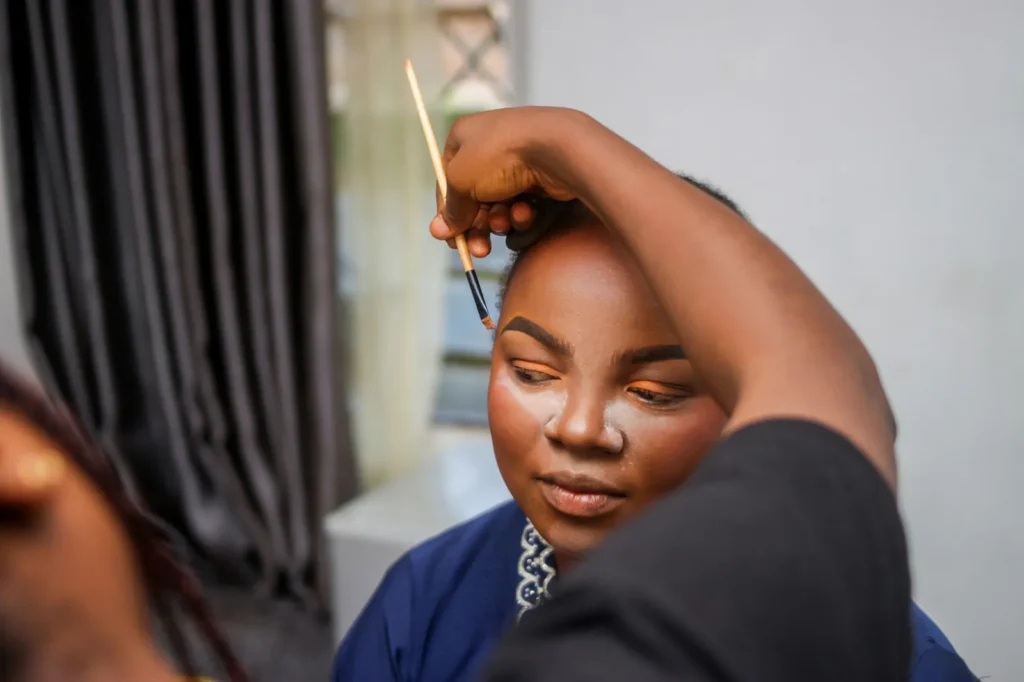
Before starting, draw the brow shape and let the client review it in a mirror. The form should record:
- That the client reviewed and approved the design.
- The chosen pigment color.
- Photos of the mapped design (with consent).
- The client's signature or initials next to the approval line.
This step is one of the best protections against later disputes about shape or color.
9. Photo consent
Before-and-after photos are valuable for your portfolio and for tracking healing. Ask separately for permission to:
- Take photos for the client record (often required for your own documentation).
- Use photos on your website and social media.
- Use photos in advertising.
Let clients choose each use independently, and respect a refusal. Note any request to crop or hide the eyes.
10. Informed consent and risks
The consent section explains the procedure and its risks in plain language and asks the client to confirm they understand. It commonly covers:
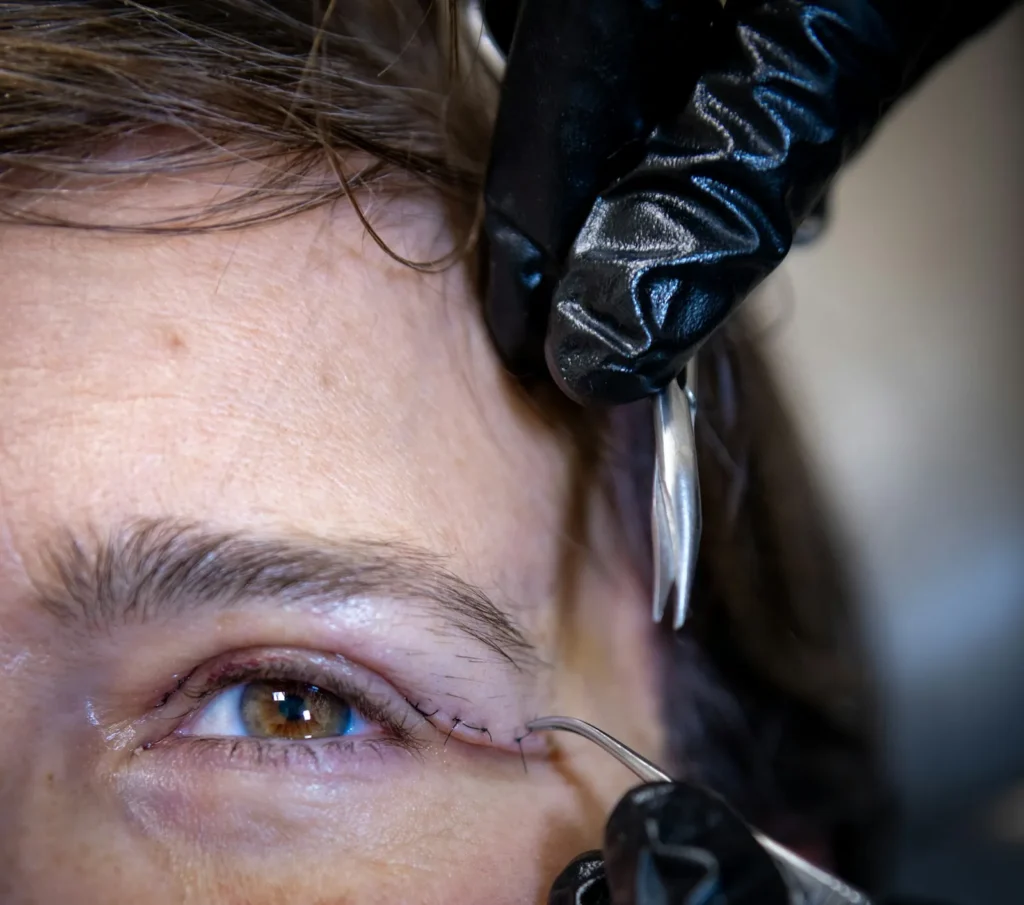
- What microblading is and that it involves breaking the skin.
- Possible risks such as infection, allergic reaction, scarring, uneven healing and color changes over time.
- That results vary with skin type, health and aftercare, and are not guaranteed.
- That touch-ups may be needed and pigment fades over time.
- That the client has disclosed accurate health information.
- The client's signature and date, and the artist's signature.
Have an attorney familiar with your state review your consent wording; it is one of the most important texts in your studio.
11. Aftercare and touch-up acknowledgment
Include a short summary of aftercare and ask the client to initial it:
- Keep the area clean and dry as instructed.
- Avoid makeup, sweating, swimming, saunas and sun on the area during early healing.
- Do not pick or scratch.
- Follow the specific cleansing and ointment instructions you provide.
- Book the touch-up within the recommended period.
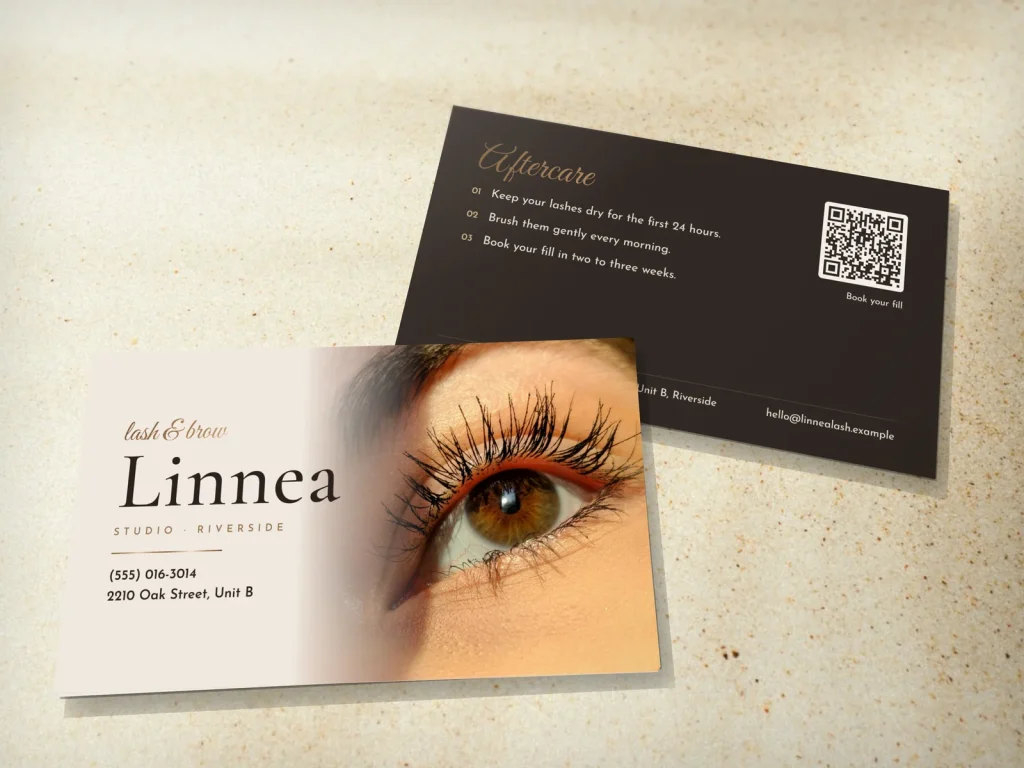
Give clients a printed aftercare card or sheet to take home and send the same instructions by text or email. Our guide to lash aftercare cards shows how to design take-home cards that clients keep.
12. Policies, deposits and signatures
Close the form with your studio policies:
- Deposit amount and whether it is applied to the service.
- Cancellation and rescheduling notice.
- Touch-up pricing and time window.
- Policy for clients who do not follow aftercare.
- Final signatures and date.
Our article on lash fill policy includes policy wording ideas that adapt well to brow and permanent makeup studios, and our salon cancellation policy guide covers deposits.

Service-specific sections for lips and eyeliner
If you offer more than brows, add a short section for each procedure:
- Lip blush: ask about cold sores and fever blisters; many artists ask clients with a history to speak with their doctor about preventive care before the appointment. Ask about recent lip fillers and dental work plans.
- Eyeliner or lash line enhancement: ask about eye conditions, contact lenses, recent eye surgery and lash extensions or lash serums.
- Powder or ombré brows: the core brow questions apply, with notes about skin type and the shading style chosen.
Keeping these as separate pages of the same consultation form makes it easy to use only what applies to each appointment.
Translate the form when needed
If many clients speak Vietnamese, Spanish, Korean or another language, offer the consultation form in those languages, translated by a qualified person and reviewed alongside your English version. Clients answer health questions more accurately in their first language, and informed consent means more when the client truly understands it. Keep the translated versions identical in content and update them together.
When a client's answers change
Health, medications and plans change between the first appointment and the touch-up. Ask clients to review and update their form at every visit, with a simple line such as "Has anything changed since your last appointment?" and a signature. A new medication, a pregnancy or a recent facial treatment may change your plan for the session.
Train your team on the forms
Everyone who handles forms should know how to explain each section, how to respond when a client hesitates on a health question, when to call the artist before proceeding and how to store completed forms. A short written procedure keeps the process consistent, especially in studios with several artists.
Use what you learn to improve the studio
Consultation forms also show patterns: how clients found you, which services they ask about, common concerns such as pain or healing time. Review a few months of forms to improve your website FAQ, your social media answers and your aftercare cards. Our guide to lash client retention shows how small improvements in the client experience keep people coming back.
How to use the form during the consultation
The form works best as a conversation, not a pile of paper:
- Send the form before the appointment so clients can answer calmly at home.
- Review answers together at the start of the consultation.
- Ask follow-up questions about any yes answers.
- Explain your recommendation and any reason to postpone.
- Draw and approve the design.
- Sign the consent only after questions are answered.
When to decline or postpone
Your form should support a clear policy for declining or postponing service, for example during pregnancy, with active skin conditions in the area, after recent isotretinoin use or when a physician's clearance is needed. Explain kindly that safety comes first and offer to rebook when the situation changes. Clients usually respect an artist who says no for the right reasons.
Questions clients ask about the form
Clients sometimes hesitate when they see detailed health questions. Prepare short, honest answers:
- "Why do you need my medical history?" Because some conditions and medications affect bleeding, healing and pigment retention, and your answers help keep you safe.
- "Who sees this information?" Only the artist and staff who need it, and it is stored securely.
- "Do I have to sign the photo consent?" No. Photos for your record help track healing; public use is your choice.
- "What if I am not sure about a medication?" List it anyway, and we will check before your appointment or ask you to confirm with your doctor.
When clients understand why each question matters, they answer more completely, which makes the microblading consultation form far more useful.
Paper or digital forms?
- Digital forms can be sent with the booking confirmation, completed at home, signed electronically and stored with the client profile. They are easy to search and back up.
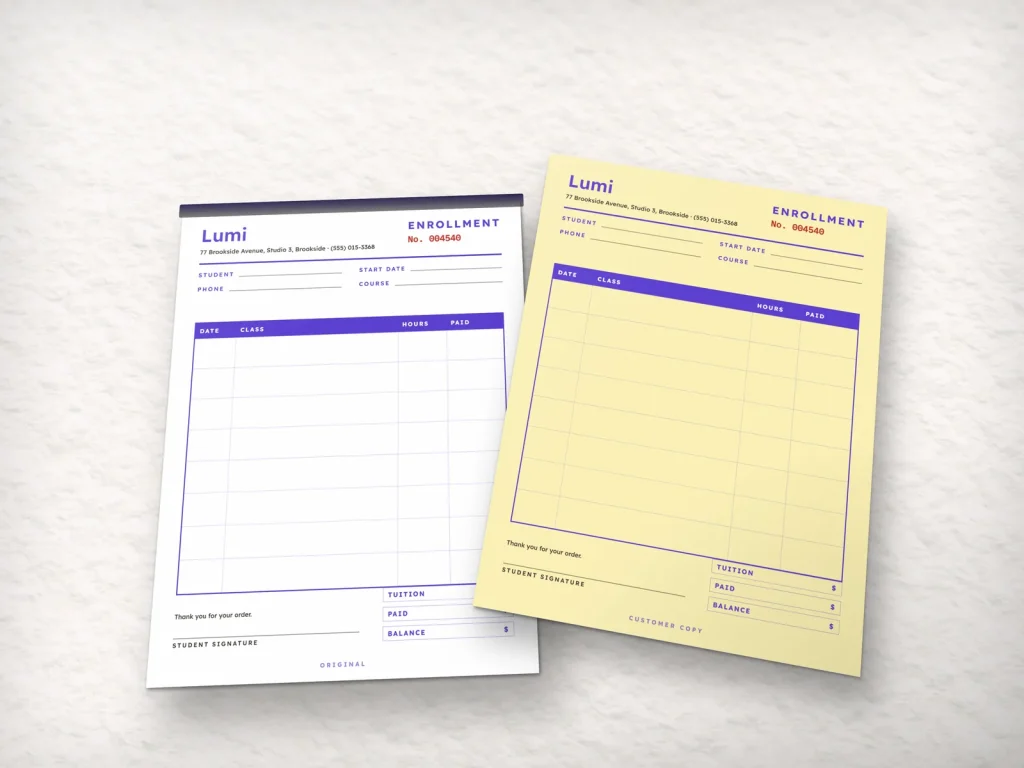
- Paper forms work well for studios that prefer in-person completion. Two-part carbonless forms give the client and the studio matching copies; we print carbonless forms with your logo and sections.
Many studios combine both: a digital pre-appointment form and a printed consent and design approval signed in the studio.
Storing records securely
Consultation forms contain sensitive personal and health information. Protect them:
- Limit access to staff who need the information.
- Lock paper records in a cabinet; use strong passwords and two-step verification for digital systems.
- Keep records for the period your local rules require.
- Dispose of old records securely by shredding paper and deleting digital files properly.
Let clients know how you store their information and who can see it.
A microblading consultation form outline
- Client information and emergency contact.
- Health questions with yes, no and details.
- Medications, supplements and recent treatments.
- Allergies.
- Skin type, sun habits and previous brow work.
- Lifestyle and upcoming events.
- Goals and expectations.
- Brow design approval and pigment choice.
- Photo consent options.
- Informed consent and risks.
- Aftercare and touch-up acknowledgment.
- Policies, deposits and signatures.
Frequently asked questions
What should a microblading consultation form include?
Client details, health questions and contraindications, medications, allergies, skin type and history, lifestyle, goals, brow design approval, photo consent, informed consent, aftercare acknowledgment, policies and signatures.
Who should not get microblading?
Artists commonly postpone or decline microblading for clients who are pregnant or breastfeeding, have active skin conditions in the area, recently used certain acne medications or have health conditions that affect healing without physician clearance. Follow your training, local rules and a healthcare professional's advice.
Should clients fill out the form before the appointment?
Yes. Sending it in advance gives clients time to answer accurately and lets you spot concerns before they arrive.
Do I need a separate photo consent?
It is best practice to ask separately for photos in the client record, on social media and in advertising, so clients can choose each use.
How long should I keep consultation forms?
Follow your state and local requirements for tattoo and permanent makeup records, and keep them securely for that period.
Can I use one form for microblading and other brow services?
You can share sections, but procedures differ. Many studios use a core form plus service-specific consent for microblading, powder brows, lip blush and eyeliner.
A thorough microblading consultation form protects clients, improves results and gives your studio a clear record of every decision. Ask the right health questions, approve the design together, collect consent for the procedure and photos, explain aftercare and store everything securely. If you want printed forms and aftercare cards that match your studio's brand, or a website with online booking for consultations, Dreamer's design and printing team works with brow and lash studios across the US.
No time to do this yourself? We can do it for you.
Send your business name and ZIP code. We review your Google Maps, Yelp and Facebook presence and call you back for free.