In this article19 sections
How to price baked goods is one of the most important questions a bakery owner answers, and one of the most often answered by guessing. A croissant is priced like the café down the street, a birthday cake like "what feels right", and a wholesale order of baguettes at whatever the restaurant asked for. Then butter and eggs go up, a few trays are thrown away each night, and a bakery that sells out every morning still struggles to cover payroll and rent.
This guide walks through nine steps to price baked goods from real numbers: costing every recipe, adding packaging and decoration, valuing labor, covering overhead, planning for waste, choosing a markup or food cost target, pricing special products such as custom cakes, wholesale and catering, presenting prices so they sell, and raising prices without losing regulars. It works for retail bakeries, home-based bakeries where allowed by law, cake studios, donut shops and cafés that bake their own pastries.
Why pricing baked goods is harder than it looks
- Many products, many recipes: a bakery may sell dozens of items, each with its own ingredients and yield.
- Ingredient prices move: butter, eggs, flour, sugar and nuts can change a lot within a year.
- Labor-heavy work: laminating dough, shaping loaves and decorating cakes take skilled time.
- Waste: unsold items at closing, broken pieces and test batches all cost money.
- Low prices per item: small errors on a two-dollar pastry add up over thousands of sales.
The answer is a repeatable method. Once your costs are in a simple spreadsheet, pricing a new item takes minutes instead of guesswork.
Step 1: Cost every ingredient in each recipe
Start with the recipe for one batch and calculate what each ingredient costs:
- Find the purchase price of each ingredient and the size of the package (for example, a 50 lb bag of flour).
- Convert to a unit cost, such as cost per gram, ounce or pound.
- Multiply by the amount the recipe uses.
- Add everything up for the batch cost.
- Divide by the yield, the number of sellable pieces the batch produces.
| Ingredient (illustrative) | Amount in batch | Unit cost | Cost in batch |
|---|---|---|---|
| Flour | 1,000 g | 0.0012 per g | 1.20 |
| Butter | 600 g | 0.012 per g | 7.20 |
| Sugar, salt, yeast | various | various | 0.90 |
| Milk and eggs | various | various | 1.70 |
| Batch total | 11.00 |
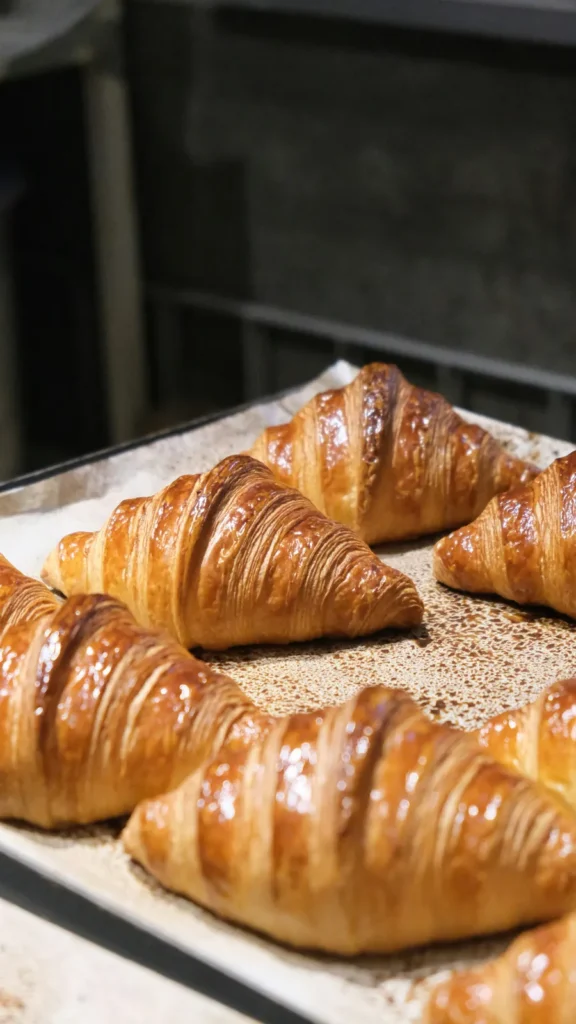
These numbers are illustrative, not market prices. If this batch yields 24 croissants, the ingredient cost is about 46 cents each. Weigh ingredients rather than using cups, so costs stay accurate when different bakers make the same recipe.
Step 2: Add packaging and decoration
Packaging is easy to forget and adds up quickly:
- Bags, boxes, cake boards, cake domes, cups and lids.
- Labels and stickers, ribbons and tags.
- Decorations: fresh fruit, chocolate pieces, edible flowers, toppers.
Add the cost per item to the ingredient cost. A cake box, board and label can cost more than the flour in the cake. Our roll stickers make branded labels inexpensive per box, and the label also carries your name into every customer's home.
Step 3: Value the labor
Labor is often the biggest cost in a bakery, and the one owners most often leave out, especially when they do the work themselves.
- Time each batch: mixing, proofing attention, shaping, baking, cooling, finishing, packing. Count active time, not oven time when nobody is working.
- Use a real hourly cost: wages plus payroll taxes and benefits. If you bake yourself, use what you would pay someone to do it.
- Divide by the yield to get labor cost per piece.
If shaping 24 croissants takes 40 minutes of active work at an all-in cost of 24 per hour, labor is 16 for the batch, or about 67 cents per croissant, more than the ingredients.
Step 4: Cover overhead
Overhead is everything you pay to keep the doors open: rent, utilities, equipment payments, insurance, licenses, software, card processing fees, marketing and repairs. Two simple ways to include it:
- As a percentage of sales: if overhead is a known share of monthly revenue, make sure prices leave room for it after ingredients and labor.
- Per item: divide monthly overhead by the number of items you expect to sell, and add that amount to each item.
The first method is simpler for bakeries with many products. Review it monthly, because a slow month raises overhead per item.
Step 5: Plan for waste and unsold items
Every bakery throws away or discounts some products. Plan for it instead of being surprised:
- Track waste for a few weeks: how many of each item remain at closing.
- Add a waste allowance to your cost, for example by assuming you sell 90 percent of each batch.
- Reduce waste with better forecasting, bake-to-order for some items and smaller late-day batches.
- Sell day-old items at a lower price or donate them where food safety rules allow.
Step 6: Choose how to price baked goods: four methods
Once you know the full cost per item, choose how to set the price:
Cost-plus markup
Multiply the full cost (ingredients, packaging, labor, overhead share, waste) by a markup that leaves a profit. Simple and transparent.
Food cost percentage
Many bakeries set prices so that ingredients and packaging are a chosen share of the price, often somewhere between a quarter and a third. The price is the ingredient and packaging cost divided by that target share. This method works well alongside a separate check that labor is covered.
Value-based pricing
Some products are worth more than their cost to customers: a signature cake, a seasonal specialty, a beautiful gift box. Price them for the value they deliver, as long as the cost floor is covered.
Market check
Finally, compare with bakeries nearby that offer similar quality. If your price is far above the market, look at costs, portion size, presentation and your story. If it is far below, you may be leaving money on the table.
A worked example (illustrative)
Using the croissant from above:
| Cost item | Per croissant |
|---|---|
| Ingredients | 0.46 |
| Packaging (bag, label share) | 0.12 |
| Labor | 0.67 |
| Waste allowance (10%) | 0.13 |
| Direct cost | 1.38 |
If you want ingredients and packaging to be about 15 to 20 percent of the price for a labor-intensive pastry, and you need room for overhead and profit, a price around 3.75 to 4.50 might be reasonable in this illustration. Your own numbers, local market and quality will decide the final price. The method matters more than the example.
Step 7: Price special products
Custom cakes
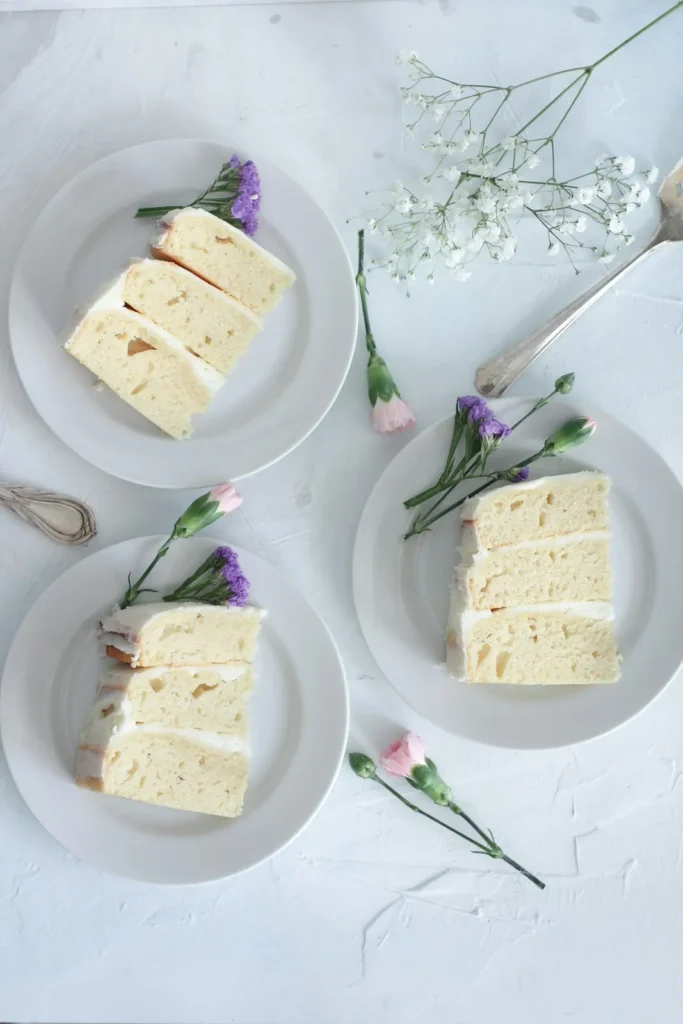
Custom cakes are usually priced per serving, plus extras for design:
- Base price per serving for each flavor and size.
- Design charges for tiers, fondant, sugar flowers, hand painting and special toppers.
- Delivery and setup fees for wedding and event cakes.
- Deposits to secure the date, with a clear cancellation policy.
- Order forms that record every detail. Our carbonless order forms give you and the customer matching copies.
Wholesale
Restaurants, cafés and markets buying in bulk expect lower prices than retail customers. Set wholesale prices from your cost, not as a fixed discount off retail: make sure each wholesale item still covers ingredients, labor, packaging and a fair margin. Add minimum order quantities, delivery days and payment terms.
Catering trays and party boxes
Price trays by the piece or by the number of guests, with a clear minimum and lead time. Include the cost of trays, lids, napkins and labels.
Seasonal specialties
Mooncakes, Lunar New Year cakes, holiday cookies and Easter breads often need special ingredients, packaging and extra labor. Price them separately, take pre-orders with deposits and plan quantities from last year's sales.
Step 8: Present prices so they sell
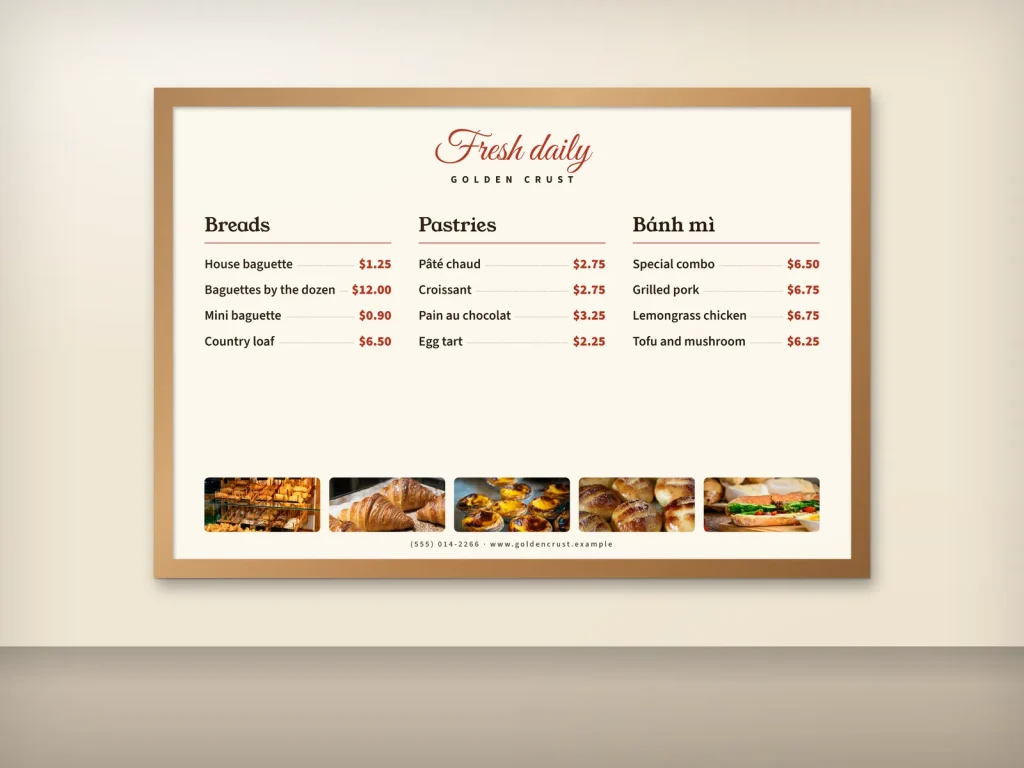
- Clear menu boards and case labels with consistent prices. Our guide to the bakery menu board explains layout and readability.
- Bundles: a coffee and pastry pairing, a half dozen and a dozen with a small saving.
- Size tiers: small, medium and large cakes; single cookies and boxes.
- Gift presentation: a beautiful box can justify a higher price for the same items.
- Online prices that match the shop, so customers trust them. Our article on bakery website design covers online menus and pre-orders.
Step 9: Review and raise prices
Ingredient costs change, so prices must too:
- Review costs every quarter for your top sellers and whenever a key ingredient jumps.
- Raise prices in small steps rather than one large jump after years.
- Change prices everywhere at once: labels, menu board, website, online ordering.
- Explain value, not costs, if customers ask: real butter, fresh fruit, hand shaping.
- Watch sales after a change: a small dip that recovers is normal; a lasting drop means the price or presentation needs work.
The U.S. Department of Agriculture publishes a regular food price outlook that tracks retail and wholesale food price trends; it can help you anticipate ingredient increases. Our guide on how to raise prices at a nail salon covers communication tips that work for any small business.
How to price baked goods by category: a quick reference
Different baked goods carry different cost structures, so they rarely share one markup:
| Category | Main cost driver | Pricing notes |
|---|---|---|
| Breads and baguettes | Labor and oven time, low ingredient cost | Price for volume; wholesale accounts matter |
| Laminated pastries | Butter and skilled labor | Higher price per piece; waste control is key |
| Cookies and bars | Ingredients and packaging | Sell singles, half dozens and dozens with a small saving |
| Cakes by the slice | Ingredients, decoration, waste | Price per slice from the whole-cake cost plus waste |
| Custom cakes | Design labor and decorations | Price per serving plus design, delivery and setup |
| Seasonal specialties | Special ingredients, packaging | Pre-orders with deposits; premium gift packaging |
Use the table as a starting point, then run your own numbers for each product. Pricing baked goods by category keeps you from applying one markup to items that cost very different amounts to make.
Pricing baked goods for farmers markets and pop-ups
Markets and pop-ups add costs that shop prices do not include: booth fees, transport, a tent and table, display stands, a card reader, and the hours spent setting up and selling. Add these to your costs before deciding market prices. Many bakers keep the same prices as in the shop for simplicity and offer market-only bundles instead of discounts. Bring fewer varieties in larger quantities, label every item with a price and allergens, and track what sells by hour so the next market brings less waste.
Pricing psychology for baked goods
How prices are presented changes how customers feel about them:
- Anchor with a premium item: a beautiful whole cake or gift box makes single pastries feel affordable.
- Use bundles, such as a coffee and croissant or a box of six, to raise the average ticket without discounting single items.
- Keep price formats consistent on the board and labels; mixed formats look careless.
- Describe the craft: "laminated by hand", "baked twice daily", "real butter" help customers understand why your baked goods cost more than supermarket versions.
When customers say your prices are too high
Some customers will compare your baked goods with supermarket prices. Do not argue and do not apologize. Explain briefly what makes your product different, offer a smaller size or a simpler option if you have one, and let the quality speak. Most bakeries find that regulars who value fresh, handmade baked goods stay after a price increase, while bargain hunters were never the core of the business. If many customers react the same way, review whether portion size, presentation or the story behind the product needs work.
Tools that make pricing easier
- A recipe costing spreadsheet with ingredient prices in one tab and recipes in another, so updating a price updates every recipe.
- POS reports showing sales by item, so you know which products deserve the most attention.
- A waste log at closing.
- A simple price review calendar, for example the first week of each quarter.
Pricing for online orders and delivery
Online orders and delivery apps change the math. Delivery apps typically charge commissions on each order, and your own online ordering has software and card fees. Some bakeries set slightly higher prices on third-party apps to cover commissions, while keeping their own website prices the same as in the shop to reward customers who order directly. Whatever you choose, make sure every channel still covers ingredients, packaging, labor and a fair margin, and add the cost of sturdier packaging for items that travel, such as cake boxes with inserts. Check each channel's numbers monthly; a channel that brings many orders at a loss is not growth.
Common pricing mistakes
- Leaving out labor, especially the owner's own time.
- Forgetting packaging and decorations.
- Ignoring waste and unsold items.
- Copying a competitor's prices without knowing your own costs.
- Wholesale prices below cost to win an account.
- Never raising prices while ingredient costs climb.
- Different prices on the board, labels and website.
Frequently asked questions
How do you calculate the price of baked goods?
Add ingredient, packaging, labor, overhead and waste costs per item, then apply a markup or a food cost target, and check the result against the local market.
What food cost percentage should a bakery aim for?
Many bakeries aim for ingredients and packaging to be roughly a quarter to a third of the price, but labor-heavy items may need a lower food cost share. Make sure labor and overhead are covered too.
How should I price custom cakes?
Most bakers price per serving for each size and flavor, then add charges for design complexity, special decorations, delivery and setup, with a deposit to secure the order.
How much lower should wholesale prices be?
There is no fixed rule. Set wholesale prices from your costs so every item still covers ingredients, labor and packaging with a fair margin, and add minimum quantities and delivery terms.
How often should a bakery raise prices?
Review costs at least quarterly for best sellers and raise prices in small steps when ingredient or labor costs rise.
Should home bakers price lower than shops?
Not necessarily. Home bakers still have ingredient, packaging and labor costs, and their time is valuable. Price from real costs and the value of what you make, within the rules for home-based food businesses in your state.
Learning how to price baked goods well turns a busy bakery into a profitable one. Cost every recipe, count your labor, cover overhead and waste, choose a clear method, price special orders carefully and review prices regularly. When your prices are right, every sold-out tray actually pays for itself. If you want a menu board, labels and order forms that present your prices clearly, Dreamer's design and printing team works with bakeries and cafés across the US, and our guide to coffee shop marketing ideas shows how pairings and bundles lift the average ticket.
No time to do this yourself? We can do it for you.
Send your business name and ZIP code. We review your Google Maps, Yelp and Facebook presence and call you back for free.