To reduce salon no-shows, you need two things working together: systems that make it easy for clients to remember and to cancel properly, and a policy that protects your time without punishing the honest client who got stuck in traffic. A single no-show on a busy Saturday is not just one lost service. It is a technician sitting idle, a walk-in you turned away and a regular who could not get that time slot.
This guide walks through practical ways to bring no-shows down: measuring your rate, confirmations and reminders, deposits and cards on file, a clear cancellation policy, waitlists, booking rules, scripts for awkward conversations and how to handle the few clients who miss again and again. Most salons see the biggest change from simple habits, not from expensive software.
In this article
- What a no-show really costs
- Why clients miss appointments
- Measure your no-show rate first
- 1. Confirm every booking immediately
- 2. Send reminders at the right times
- 3. Make rescheduling easier than skipping
- 4. Ask clients to confirm
- 5. Use deposits where they matter
- 6. Card on file as a lighter option
- 7. Publish a clear, fair cancellation policy
- 8. Keep a waitlist for every day
- 9. Limit how far ahead clients can book
- 10. Treat new clients and regulars differently
- 11. Track repeat no-shows
- 12. Fix the reasons on your side
- Scripts you can use
- Email, text or a phone call?
- Patterns worth watching
- Talk about no-shows with the team
- Late arrivals: the cousin of no-shows
- Handling disputes about fees
- Group and event bookings
- What works best, by effort
- Mistakes that make no-shows worse
- A 30-day plan to reduce no-shows
- How Dreamer helps
- Frequently asked questions
What a no-show really costs
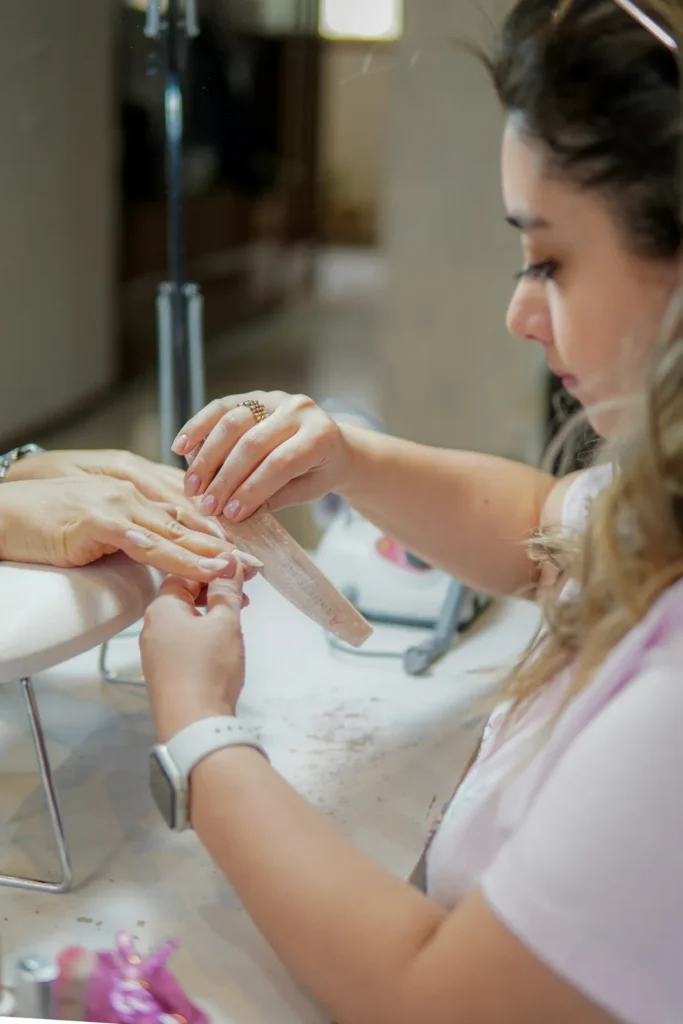
Picture a gel manicure with nail art booked for 90 minutes on a Saturday. When the client does not arrive:
- The technician's time is lost and cannot be sold again.
- A walk-in or a waitlisted regular may have been turned away.
- Supplies set out for the service may be wasted.
- The technician's commission or tips for that slot disappear.
Multiply that by a few no-shows a week and it becomes one of the largest hidden costs in a salon. The goal is not zero no-shows, which is impossible, but a rate low enough that it no longer shapes your week.
Why clients miss appointments
Understanding the reasons helps you choose the right fixes:
- They forgot, especially appointments booked weeks ahead.
- Plans changed and canceling felt like a hassle.
- They booked casually on an app, comparing several salons.
- They worried about the price after booking, or about add-on costs.
- A past wait was long, so the appointment felt optional.
- Something real happened: illness, a sick child, car trouble.
Forgetting and friction are the biggest causes, and both are easy to address. A smaller group of clients book with several salons and keep whichever opening suits them on the day; deposits and fair policies are designed for them. Real emergencies will always happen, and how you handle them decides whether that client comes back. The aim is a system that is kind to the honest majority and firm with the few who repeatedly waste a technician's time.
Measure your no-show rate first
You cannot improve what you do not measure. Use a simple formula each month:
No-show rate = appointments with no arrival and no notice ÷ total appointments booked.
Track late cancellations separately, for example cancellations within 24 hours. Mark them honestly in your booking system so the numbers are real. Compare month to month and by service, day and booking source; you may find most no-shows come from one service, one day or one channel.
1. Confirm every booking immediately
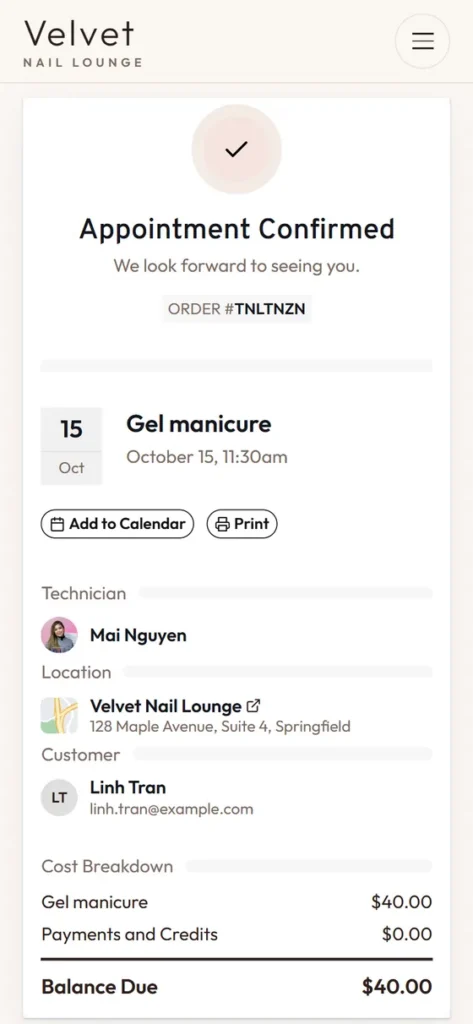
A confirmation turns a booking into a commitment. It should include:
- Date, time, service and technician.
- Address and parking tips.
- How to reschedule or cancel, with a link.
- Your cancellation and late policy in one or two sentences.
Online bookings should send a confirmation automatically. For phone bookings, the desk should send the same confirmation, not just say "See you Saturday".
2. Send reminders at the right times
Reminders are the single most effective habit. In healthcare, where missed appointments are studied closely, a Cochrane review of text message reminders found that text reminders increased attendance compared with no reminders and with postal reminders, and worked about as well as phone call reminders. Salons are different from clinics, but the lesson carries over: people show up more when they are reminded.
A practical schedule:
| When | Reminder |
|---|---|
| At booking | Confirmation with policy and change link |
| 2 days before | Reminder with an easy way to confirm or move |
| Morning of the appointment | Short reminder with the time and address |
For appointments booked months ahead, add a reminder a week before. Use email, text or both, depending on what clients agreed to and what your system supports.
3. Make rescheduling easier than skipping
Many no-shows are clients who would have rescheduled if it had been easy. Include a reschedule link in every message, let clients move their own appointment within your rules, and answer messages quickly. A client who moves an appointment is still a client; a client who skips may never come back.
4. Ask clients to confirm
A reminder that asks for a reply ("Reply C to confirm or R to reschedule") gives you information before the day. Clients who do not confirm can get a quick call from the desk. If your system cannot handle replies, a confirm button in an email works too.
5. Use deposits where they matter
Deposits are the strongest protection, but they add friction. Use them where the risk and cost are highest:
- Long services such as full sets with art, color services or volume lash sets.
- New clients booking online for the first time.
- Peak days: holiday weekends, prom season, Saturdays before big holidays.
- Group bookings.
Keep deposits reasonable, explain clearly how they apply to the service, and say what happens if the client cancels in time. Many salons apply the deposit to the final bill and refund or keep it based on the cancellation window.
6. Card on file as a lighter option
Instead of charging upfront, some salons save a card at booking and charge a fee only for no-shows or very late cancellations, as stated in the policy. Clients often find this easier than a deposit. Make sure the client clearly agrees to the policy when saving the card, and keep a record.
7. Publish a clear, fair cancellation policy
A good policy states the cancellation window, the fee or deposit rules, the late arrival grace period and how exceptions are handled. Show it on the booking page, in confirmations and at the front desk. Our guide to the salon cancellation policy includes templates.
8. Keep a waitlist for every day
A waitlist turns cancellations into bookings. Clients who want an earlier time join the list; when someone cancels, the desk contacts the list, first come, first served. Combined with good reminders, a waitlist can recover many of the hours that late cancellations would otherwise waste.
9. Limit how far ahead clients can book
Appointments booked two months ahead are forgotten more often. Consider limiting online booking to a few weeks ahead for most services, while allowing regulars with standing appointments and special events to book further out.
10. Treat new clients and regulars differently
Regulars with a good history rarely no-show; new clients from marketplaces or first-time visitors are a higher risk. Your booking rules can reflect that:
- Deposits for first visits only.
- No deposit for clients with several completed visits.
- Personal reminder calls for long first appointments.
11. Track repeat no-shows
Your booking system should show each client's no-show history. After a second no-show, consider requiring a deposit for future bookings. After a third, you may decide to stop accepting online bookings from that client. Apply the rule consistently and politely.
12. Fix the reasons on your side
Some no-shows are a reaction to the salon's own habits:
- Long waits with appointments teach clients that times are flexible. Keep the schedule on time.
- Price surprises make clients avoid coming back. Show prices and add-ons clearly before booking.
- Hard-to-reach phone lines make canceling difficult. Offer online changes.
Our guide to nail salon client retention covers the experience side.
Scripts you can use
Reminder message
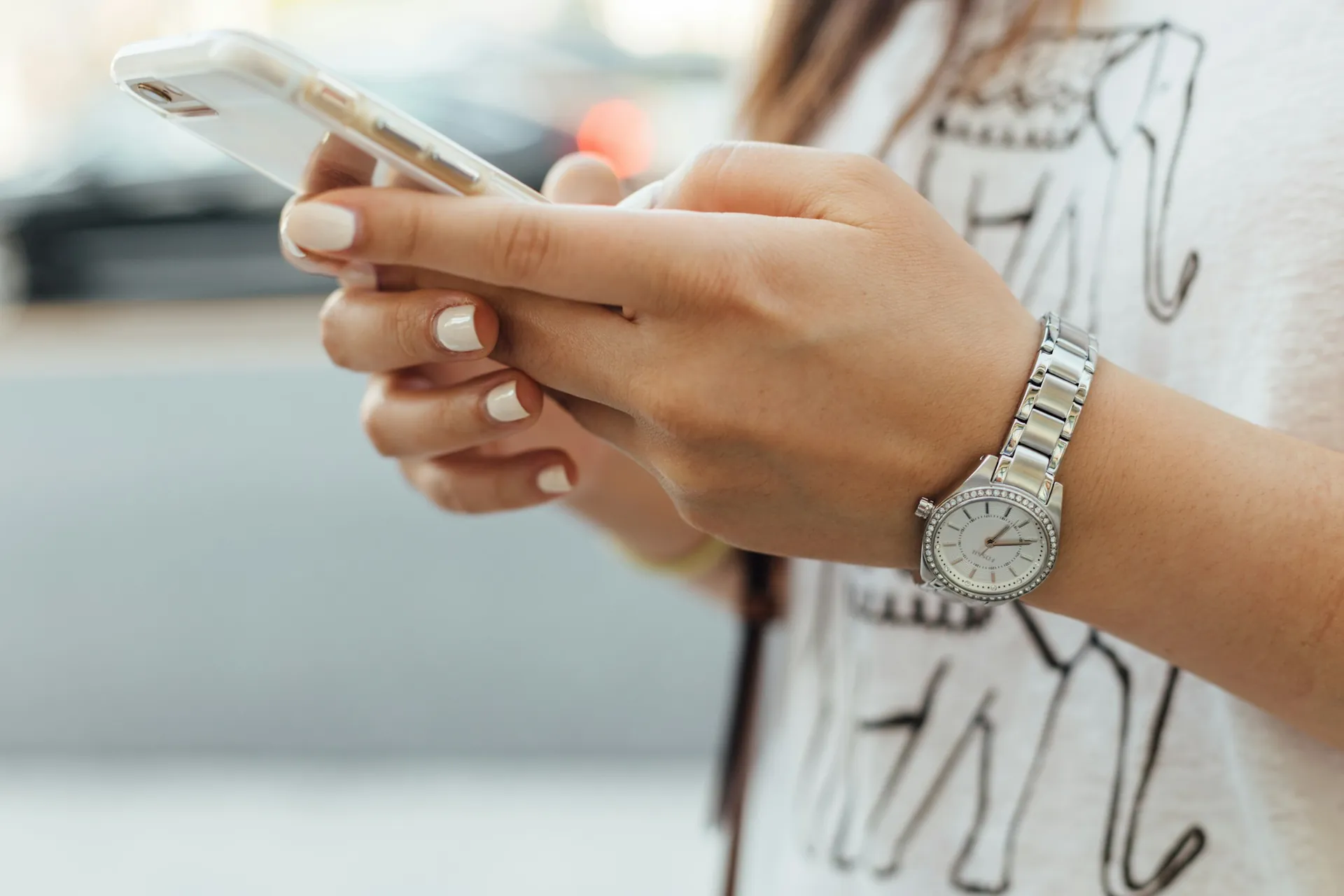
"Hi Linh, this is Lotus Nails. Reminder: gel manicure with Jenny tomorrow, Saturday at 11:00. Need to move it? Use this link or reply R. Please give us 24 hours' notice to cancel."
Morning-of message
"Good morning! See you at 11:00 at Lotus Nails, 123 Main Street. Parking is behind the building."
After a first no-show
"Hi Linh, we missed you today at 11:00. We hope everything is okay. Would you like to book a new time? As a reminder, our policy asks for 24 hours' notice to cancel."
After repeat no-shows
"Hi Linh, we would love to keep seeing you. Because a few appointments were missed recently, future bookings will need a $20 deposit, which goes toward your service. Thank you for understanding."
Adjust the amounts and wording to your policy.
Email, text or a phone call?
Each reminder channel has its place:
- Email is free, carries details and links, and works well for confirmations and reminders two days ahead. Some clients rarely open it.
- Text messages are read quickly and suit morning-of reminders. Use a business number, identify the salon in every message and follow consent rules for anything promotional.
- A phone call takes staff time but works for long, high-value or first appointments, and for clients who did not confirm.
Most salons combine them: an email confirmation, a text or email reminder, and a call only when something looks risky.
Patterns worth watching
Your no-show records often reveal patterns:
- Weather: heavy rain, snow and heat waves raise no-shows; send an extra reminder or offer easy rescheduling on those days.
- Holidays and school breaks: plans change quickly; confirm a day earlier than usual.
- Early-morning and late-evening slots: often more fragile; consider deposits there.
- Bookings made late at night for the next morning: confirm them early.
- Same-day bookings: these clients usually show up; make same-day booking easy.
When you see a pattern, change one rule for that pattern only, instead of making every client pay a deposit.
Talk about no-shows with the team
Technicians feel no-shows directly, so involve them:
- Share the monthly no-show rate and what changed.
- Ask technicians to remind clients of the policy kindly at checkout when they rebook.
- Agree who calls unconfirmed clients the day before.
- Agree how fees are explained, so every client hears the same message.
A team that understands the policy enforces it calmly and consistently, and clients notice the difference.
Late arrivals: the cousin of no-shows
Late arrivals cause many of the same problems. Set a grace period, often 10 to 15 minutes, and decide what happens after it: a shorter service, a reschedule, or a late fee for very late arrivals. Explain it in confirmations, and apply it kindly but consistently. A client who arrives 25 minutes late for a 30-minute pedicure cannot get the full service without making the next client wait.
Handling disputes about fees
If you charge no-show fees, keep records: the confirmation sent, the reminders, the policy the client accepted and the appointment time. If a client disputes the charge with their bank, these records help. Be reasonable with real emergencies; a waived fee can earn more loyalty than it costs.
Group and event bookings
Groups multiply the risk: if a bridal party of five does not show, the whole afternoon is lost. For groups, ask for a deposit, confirm the number of guests a few days before, and agree on what happens if fewer people arrive.
What works best, by effort
| Tactic | Effort | Typical effect |
|---|---|---|
| Automatic confirmations | Low | Fewer misunderstandings |
| Reminders before the appointment | Low | Fewer forgotten appointments |
| Easy online rescheduling | Low | More moves, fewer skips |
| Clear cancellation policy | Low | Clients take bookings seriously |
| Waitlist | Medium | Recovers canceled time |
| Deposits for high-risk bookings | Medium | Strong protection where it matters |
| Card on file | Medium | Protection with less friction |
| Tracking repeat no-shows | Low | Targets the small group causing most losses |
Mistakes that make no-shows worse
- No reminders, or reminders only for some services.
- Policies hidden until after the no-show.
- Charging fees inconsistently, which feels unfair.
- Deposits on every service, which scares away good clients.
- No way to cancel online, so clients simply do not come.
- Not marking no-shows in the system, so you never see the pattern.
A 30-day plan to reduce no-shows
Week 1: measure your current no-show and late-cancellation rates; write a clear policy.
Week 2: turn on confirmations and reminders for every booking; add the policy to the booking page and confirmations.
Week 3: start a waitlist; add deposits or card on file for your highest-risk services and peak days.
Week 4: review the numbers, flag repeat no-shows, and adjust what is not working.
After a month, most salons have a clear picture of where no-shows come from and which fixes made the biggest difference. Keep the routine going, review the numbers every month, and tighten or relax rules based on what you see rather than on one frustrating Saturday.
How Dreamer helps
Dreamer builds online booking websites for salons where clients choose a service, a technician and a time, see your policy before confirming and receive an email confirmation. The salon gets an email for every new booking. Combined with a clear policy and a waitlist at the desk, it gives clients fewer reasons to miss and more reasons to rebook. Our Social Marketing service keeps your Google profile's booking link front and center.
Frequently asked questions
What is a normal no-show rate for a salon?
There is no official benchmark. Measure your own rate monthly and aim to bring it down steadily with reminders, policies and deposits where needed.
Do reminders really reduce no-shows?
Yes. Research in healthcare shows that text reminders improve attendance compared with no reminders, and salons that remind clients consistently usually see fewer missed appointments.
Should salons charge no-show fees?
Many do, especially for long services and peak days. The fee should be clearly stated before booking and applied consistently, with room for real emergencies.
Will deposits scare clients away?
Deposits on every service can. Use them for long services, new clients and peak days, and explain how they apply to the final bill.
How far in advance should reminders go out?
A confirmation at booking, a reminder about two days before and a short reminder on the morning of the appointment works for most salons.
What should I do with clients who no-show repeatedly?
Track the history, require a deposit after a second no-show, and consider stopping online bookings for that client after a third, always politely.
Reducing salon no-shows is mostly about removing friction and setting fair expectations: confirm every booking, remind at the right times, make changes easy, protect high-risk bookings with deposits, keep a waitlist and track the few repeat offenders. Do these consistently, and your schedule will hold up even on the busiest Saturdays.